Here's the thing about refractory periods
Most people think orgasms are on and off. You come, and then immediately you can come again. That's not how bodies work. After orgasm, there's a neurological cooldown period where arousal dips, sensitivity shifts, and the tissues need a beat to reset. This is your refractory period, and it's not a bug. It's how pleasure architecture is supposed to function.
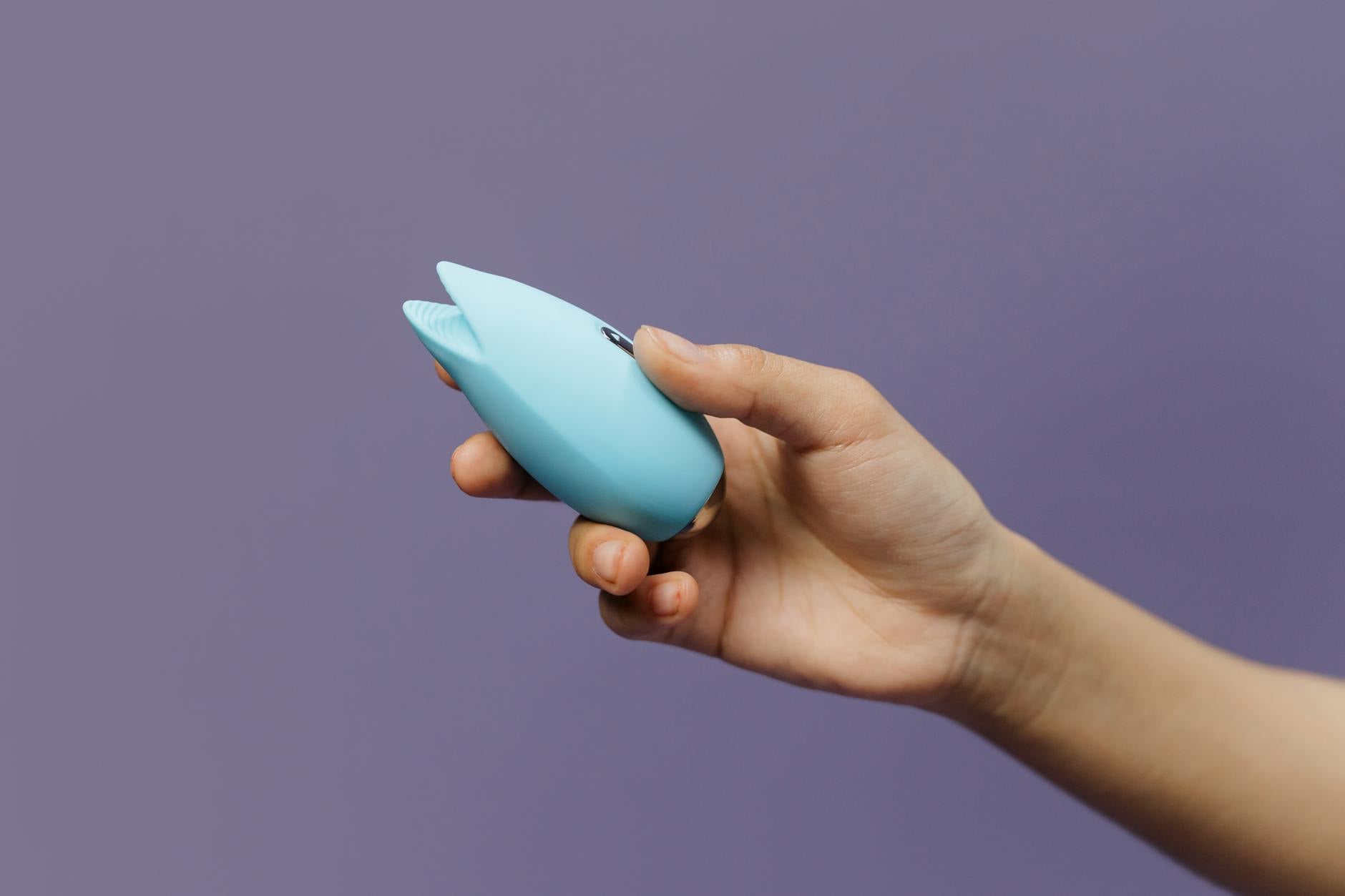
With a lemon vibrator, especially a device like the Lem clitoral vibrator, this recovery window compresses dramatically. Understanding why, and how to work with it instead of against it, changes everything about multiple-orgasm sessions.
What a refractory period actually is
After orgasm, your parasympathetic nervous system floods the body. Heart rate drops. Blood pressure normalizes. The tissues that were engorged with blood pull back slightly. Neurologically, the same nerve receptors that just fired intensely go quiet for a moment. This isn't pain or dysfunction. It's a built-in pause.
The length varies wildly. Anywhere from 30 seconds to several minutes is completely normal. Some people barely feel it at all. Others need 10 minutes before they can handle direct stimulation again. Testosterone levels, age, hydration, stress, and how intensely the last orgasm hit all shape this timeline.
Here's what matters: your refractory period is personal and contextual. The same person might recover in two minutes one day and eight minutes another, depending on energy, hormones, and what else is happening.
Why lemon suction vibrators change the equation
Traditional vibrators use oscillation. They buzz at a fixed frequency, and after orgasm, that frequency can feel overwhelming. The tissues are sensitive, the nerve endings are fatigued, and continuing stimulation often reads as discomfort rather than pleasure.
Lemon suction toys work differently. They create rhythmic suction and release rather than sustained vibration. This mimics a more natural pattern of stimulation and rest. Even immediately after orgasm, you can often tolerate suction at a lower pattern because it's not a continuous buzz. It's pulsing. It's giving the nervous system micro-breaks even while you're being stimulated.
The result: recovery happens faster with a lemon clitoral vibrator than with traditional vibrators. Many people report being ready for round two in under 60 seconds, sometimes immediately. This isn't because the device is magic. It's because the stimulation pattern aligns better with how the body actually wants to be touched during that vulnerable post-orgasm window.
The refractory window with a Lem or similar suction device
If you're using a lemon vibrator for multiple orgasms, here's the real-world timeline.
First 5-15 seconds after orgasm: Stay on the device, but drop to pattern 1 or 2. You might feel hypersensitive. That usually passes in under 10 seconds. Some people ride that sensitivity into a second orgasm almost immediately. Others need the pause.
15-45 seconds: You're entering the sweet spot. Direct stimulation is becoming pleasurable again, not overwhelming. This is when most people can increase intensity slightly and build toward orgasm number two.
45 seconds to 2 minutes: Full recovery for most. You can use higher patterns. The device can handle firm contact. This is your main window for chasing back-to-back orgasms.
Beyond 2-3 minutes: You've exited the refractory period. Your body has essentially reset. You're now having a fresh session, not chasing multiples.
The huge variable here is you. Some people need only 20 seconds. Some need 90. The key is paying attention instead of assuming a timeline.
Reading your body's signals during recovery
There are three physical cues that tell you when you're actually ready.
Hypersensitivity fades. Right after orgasm, your clitoris often feels too raw to touch. This intense sensitivity usually resolves in 10-20 seconds. The moment it shifts from "this is too much" to "this is okay," you're through the first stage.
Arousal starts rebuilding. You'll feel a subtle warm sensation returning. Blood flow picks back up. The tissues that deflated slightly swell again. It's not the rush of initial arousal, but a gentle return.
Mental clarity returns. Post-orgasm brain fog lifts. This is real and neurological. When you can think clearly again instead of being in that post-pleasure daze, your nervous system is genuinely ready for more.
How to actually achieve multiple orgasms
First, adjust your expectations. Multiple orgasms aren't about going forever. They're usually 2-4 orgasms in a session before the pleasure plateau flattens out. That's normal. Your body has a window, and trying to push past it leads to diminishing returns.
Second, stay present between rounds. The mistake most people make is stopping completely after orgasm one. You check your phone. You shift positions. You step out of the moment. This lets arousal fully drop. Instead, stay with the device. Keep contact. Ride the intensity down gradually.
Third, read the room. If hypersensitivity isn't fading after 30 seconds, stop and breathe. Maybe you need water. Maybe you need 90 more seconds. How to Make Your Lemon Vibrator More Comfortable If You're Sensitive covers this in detail, but the short version is: pain is not part of the equation. Ever.
Fourth, use lower patterns between rounds. Your body is fatigued even if mentally you're ready. Start at pattern 1 or 2 after that first orgasm. You can always increase. You can't un-overwhelm yourself mid-session.
The role of arousal maintenance
Refractory period is only half the story. The other half is whether you stay aroused enough to climb back up.
With a partner, this is where dirty talk, kissing, and body contact matter. These keep the nervous system engaged while the device resets. Solo? Use fantasy. Keep the mental thread alive. Your brain is doing as much work as your body.
With a Lem vibrator specifically, the suction sensation itself helps maintain arousal. You're not just waiting for feeling to return. The device is continuing to stimulate, just gently. This is part of why people report easier multiples with lemon clitoral vibrators compared to traditional vibrators.
When to actually stop
Here's the hard truth: there's a point where another orgasm won't feel good. You've hit the plateau. The nervous system is fatigued even if you're mentally trying to push through.
Signs you should stop: numbness setting in, zero rebound of arousal after 5 minutes, pleasure flattening (it starts to feel like work instead of play), physical soreness developing. These aren't failures. These are your body saying "that was enough."
The best multiple-orgasm sessions don't max out your capacity. They end while pleasure is still climbing. Counterintuitive? Maybe. But it's also how you actually want to do this again soon.
People also ask
Is it normal to need a long recovery time between orgasms?
Completely normal. Recovery times range from 30 seconds to 10 minutes depending on your body, age, stress levels, and what you had for lunch. There's no "should" here. Your refractory period is yours. Anything within that range is healthy. If recovery time has shifted recently (it now takes twice as long as it used to), hormones or stress might be involved, and a conversation with your doctor or therapist could help.
Can you have multiple orgasms with a lemon vibrator if you normally can't with other toys?
Yes, frequently. The suction pattern of lemon vibrators creates a gentler recovery window than traditional vibrators. If you've struggled with multiple orgasms before, a lemon clitoral vibrator like the Lem is worth trying specifically because the stimulation pattern aligns better with how your body wants to be touched during recovery. Do Lemon Vibrators Feel Different Than Regular Vibrators? explains the mechanics in more detail.
What's the maximum number of orgasms you can have in one session?
There's no hard limit, but realistically most people plateau between 2-5 orgasms before pleasure starts feeling like work. Your nervous system has a fatigue threshold. Pushing past it doesn't lead to more pleasure, just diminishing returns and potential soreness. Quality over quantity wins every time.
Why does stimulation feel too intense after an orgasm?
Hypersensitivity is neurological. The nerve endings that just fired intensely are temporarily overstimulated. This usually passes in 10-20 seconds, but it's your body's way of protecting sensitive tissue. Dropping to a lower pattern (or stopping entirely) for a moment respects that signal. It's not a problem to solve, it's information to follow.
If I'm with a partner, how do we time things with a lemon vibrator?
Communication wins. If you're using a lemon suction vibrator solo or with partner stimulation happening alongside, your refractory period is still happening. Talk about what you need during recovery. Do you want continued contact or a pause? Lower intensity or a moment to breathe? The device can stay in play, but the patterns and pace shift. How to Talk About Lemon Vibrators With Your Partner breaks this down if you're navigating this conversation.
Does age affect refractory period length?
Yes. Recovery time often increases slightly with age, and that's completely normal. Hormonal shifts, changes in cardiovascular capacity, and shifts in nervous system responsiveness all play a role. This doesn't mean multiple orgasms become impossible. It means your timeline might shift, and Why Lemon Suction Vibrators Work Better After 40 addresses exactly this dynamic.
The bottom line
Your refractory period isn't a limitation. It's architecture. Understanding your personal recovery timeline, choosing tools like lemon vibrators that work with (not against) that timeline, and respecting what your body actually needs between rounds is how you get to genuine pleasure instead of forcing something that feels like performance.
Multiple orgasms aren't the goal. Pleasure that feels easy and aligned with your actual body is. With a lemon clitoral vibrator and attention to recovery, that becomes much simpler to access.
Ready to experiment? Start with lower patterns between rounds. Notice when hypersensitivity shifts to arousal. Let your body set the pace instead of an arbitrary timeline. That's where the real multiples happen.