
The short answer: yes, and the difference matters
Lemon vibrators work nothing like traditional vibrators. A lemon clitoral vibrator uses gentle suction and pulse patterns instead of direct vibration. Your tissues experience sensation differently, your nervous system responds differently, and pleasure often feels more intense. This isn't marketing fluff. It's neurobiology.
Here's what changes, and why it actually matters for your body.
How traditional vibrators work
A conventional vibrator buzzes. The motor oscillates side to side or up and down, usually between 50 and 200 times per second. This creates consistent mechanical stimulation across whatever part of your body makes contact with the toy.
That works. Millions of people have orgasms with traditional vibrators. But there's a friction cost. Direct vibration on delicate tissue can feel overwhelming if you're sensitive, numbing if you use it long-term, or just not quite right if the frequency doesn't match your nervous system's preferences.
How lemon suckers actually work
A lemon vibrator like the Lem uses rhythmic suction combined with pulse patterns. Instead of grinding friction, your clitoris experiences a gentle upward pull and release cycle. Some patterns add gentle micro-vibrations on top of the suction pulse.
This matters because your clitoris doesn't actually want to be vibrated the way a cell phone vibrates. What it wants is stimulation that mimics the sensation of a mouth or fingers without the mechanical assault of a buzzing motor pressed directly on sensitive nerve endings.
The suction method is closer to how human bodies naturally stimulate during partnered sex. Mouths use suction. Fingers use pressure and movement, not vibration at all. A lemon clitoral vibrator bridges that gap.
The sensation difference you'll actually notice
Three things change immediately when you switch from a traditional vibrator to a suction-based toy:
The intensity feels softer even at high settings. Suction distributes stimulation across a wider tissue area. You're not concentrating all the energy on one tiny point the way direct vibration does. This is especially helpful if you've ever felt that borderline-numb sensation after using a traditional vibrator for fifteen minutes. Lemon toys reset that dynamic.
Orgasms often feel different in quality. Traditional vibrators tend to produce quick, sharp releases. Suction-based vibrators build sensation more gradually and often create longer, deeper, more full-body orgasms. Some clients describe it as waves instead of peaks. Not universally better, but different in ways many people prefer.
You don't need to be as precise with positioning. With traditional vibrators, the sweet spot matters. An eighth of an inch in the wrong direction and you lose contact with your most sensitive area. Suction toys have a wider effective zone because the suction creates its own kind of pull and drag. This is genuinely game-changing if you find yourself constantly adjusting to maintain pressure.
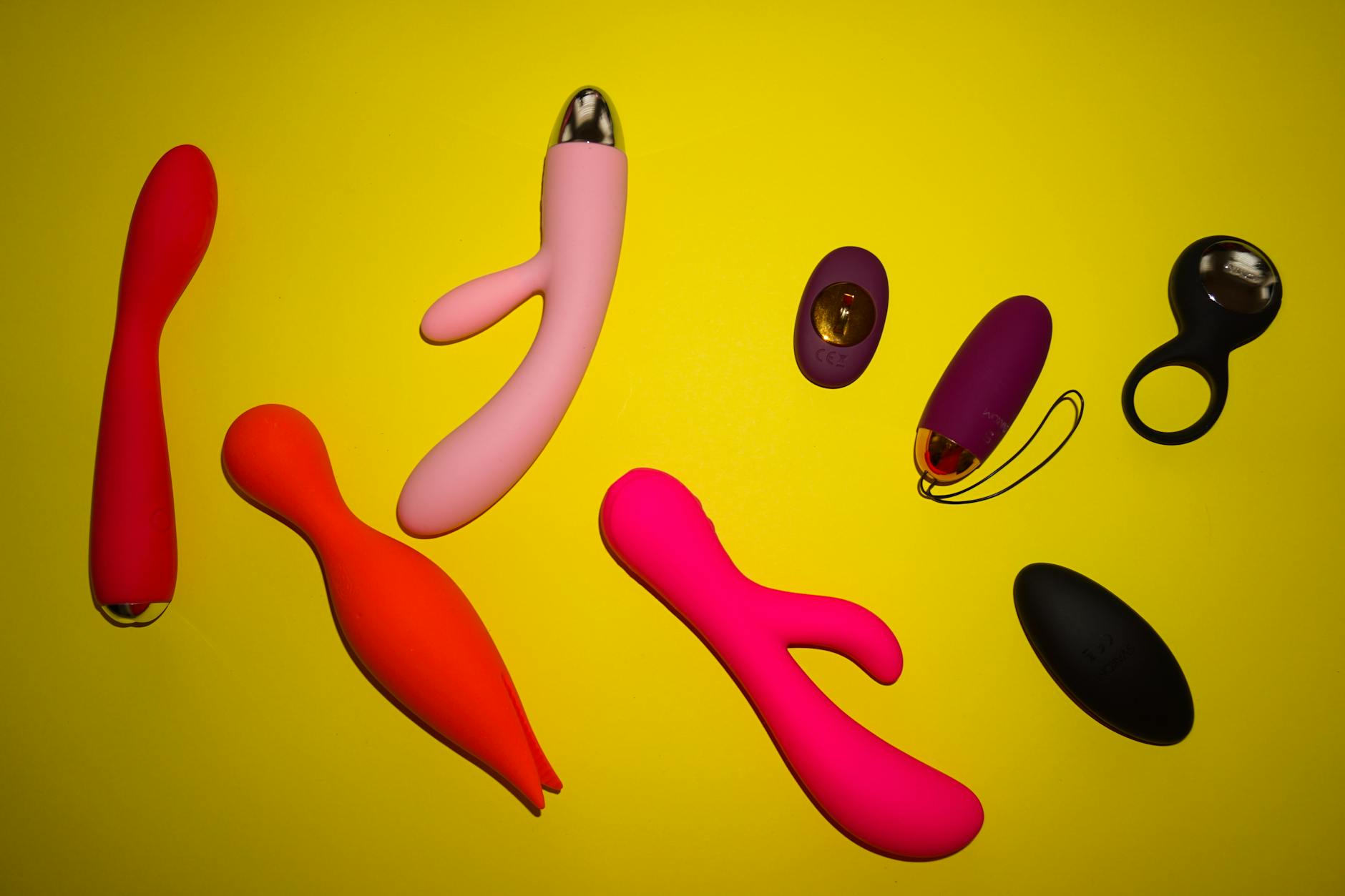
Photo by FounderTips on Pexels
Why your nerve endings respond differently
Your clitoris has somewhere between 8,000 and 10,000 nerve endings concentrated in a space smaller than a marble. Those nerves don't all send the same signal. Some respond to pressure. Some respond to vibration. Some respond to suction and rhythmic movement.
Traditional vibrators activate mostly the vibration-sensitive nerves. They fire fast and hard. That's why they work, but also why they can feel overwhelming or produce that numb sensation over time.
Suction-based clitoral vibrators activate a different neural pathway. They engage pressure receptors and movement-sensing neurons in ways that more closely resemble manual stimulation. Your brain interprets the signal differently because it's literally a different type of touch.
This is why some people swear by suction toys and others feel nothing. It's not that one toy is objectively better. It's that your particular constellation of nerve sensitivity might respond more strongly to one type of stimulation than another.
When a traditional vibrator actually works better
Let's be honest: suction toys aren't superior to traditional vibrators in every situation.
If you've been using a particular vibrator for years and know exactly how your body responds to it, switching for the sake of novelty isn't mandatory. Some people genuinely prefer the intensity of direct vibration. Some clitorises respond more strongly to that particular nerve activation pattern.
Traditional vibrators are also usually smaller, quieter, and easier to use during partnered sex if that matters to you. A lemon vibrator has a larger head and creates a gentle suction seal, which can feel different for partners compared to a sleek traditional toy.
If you're just starting to explore toys at all, a traditional vibrator might actually be the less intimidating entry point. There's no seal to manage, no learning curve about pressure. You just put it where it feels good and let the motor do its job.
The accessibility angle
Here's something rarely mentioned: suction toys can be more accessible for certain bodies.
If you have a very sensitive clitoris, reduced tissue thickness (from age, hormones, or other factors), or nerve damage that makes direct vibration feel painful, a lemon sucker might be the tool that actually works for you when traditional toys don't.
Conversely, if your clitoral tissue is less sensitive or you prefer stronger stimulation, you might find suction toys feel too gentle. This isn't a character flaw. It's just neurology.
Many people benefit from having both types available. The lemon vibrator for deeper, more meditative sessions. A traditional vibrator for when you want quick, intense stimulation. Different tools for different moods and different days of your cycle.
How to actually know if it's right for you
The only way to know is to try one. But here's what helps you make that decision faster:
If you find traditional vibrators leave you numb or overstimulated, try a suction toy. If you like orgasms that build slowly and feel more full-body, try a suction toy. If you've always felt like traditional vibrators are just slightly off, but you can't articulate why, suction-based options are worth exploring.
If traditional vibrators have never let you down and you enjoy quick, sharp climaxes, you might find suction toys feel too subtle. That's fine. Stick with what works.
The lemon clitoral vibrator exists because suction stimulation activates your nervous system differently than traditional buzzing toys. Some people's bodies respond to that shift dramatically. Others feel minimal difference. Both responses are normal.
FAQ: Questions people actually ask about lemon suction vibrators
How does suction feel different the first time you use it?
Most people describe the first experience with a suction toy as surprising. The sensation is gentler than expected if you've used traditional vibrators. There's a light pulling sensation as the suction creates and releases, combined with whatever pulse pattern you've selected. It doesn't hurt, but it can take a few minutes for your body to relax into the new sensation. Don't judge the toy in the first minute. Give yourself ten minutes to adjust to the unfamiliar feeling.
Can you use a lemon vibrator the same way you use a traditional vibrator?
Not quite. Traditional vibrators work through pressure and direct contact. You place them on your clitoris and let the motor do the work. Lemon suction vibrators require a light seal against your body. You're not jamming it against yourself. You're resting it so the suction can create and release. The difference is subtle but real. Too much pressure and you lose the suction effect. It's actually easier than it sounds, but the first few times requires a slight mindset shift.
Will a suction toy feel better than my current vibrator?
Maybe. It depends entirely on your individual nerve sensitivity and what you prefer in a climax. Some people have dramatically better experiences with suction toys. Others feel no noticeable difference. There's no universal better. There's only better for your specific body. If you're considering trying one, you're probably someone for whom the sensation might be different enough to matter.
Do you need to use lubricant with lemon vibrators?
Yes, though not always because you're dry. Lubricant makes the suction sensation feel smoother and reduces any drag or friction from the toy's contact with your skin. Water-based lubricant is safest with silicone toys. The lube helps the seal, helps you relax into the sensation, and generally improves the experience.
How is this different from what I read about lemon vibrators working better after 40?
That's about hormonal changes to your tissue. As estrogen levels shift with age, your clitoral tissue becomes thinner and more sensitive. Suction-based stimulation becomes more comfortable than direct vibration because it's gentler on that tissue. A younger person can absolutely benefit from a suction toy, but the difference becomes clinically significant after menopause. If you're exploring that transition, the information in our post on why lemon suction vibrators work better after 40 dives deeper into the hormonal piece.
What if a lemon vibrator doesn't feel good for me?
Not every toy works for every body. If you've given a suction toy a fair try and it genuinely doesn't feel good, there's no obligation to force it. Your pleasure isn't the problem. The fit just wasn't right. How to use a lemon vibrator for maximum pleasure covers troubleshooting, but if you've tried the adjustments and it's still not clicking, exploring other styles of toys is completely valid. There's no best toy. There's only the best toy for your particular body.
The actual bottom line
Lemon vibrators feel different because they activate your nervous system differently. Suction-based stimulation is closer to how human touch actually works compared to the direct vibration of traditional toys. That's why some people find them revelatory.
But they're not inherently better. They're differently. Your body will tell you whether that difference matters to you.
If you're curious and you've been wondering whether a lemon clitoral vibrator might change things for you, that curiosity is worth exploring. If traditional vibrators have always worked perfectly, there's zero pressure to switch. Your pleasure doesn't need upgrading. It just needs what actually feels good in your specific body.
Want to explore this more thoughtfully with a partner? We've got a whole conversation guide on how to talk about lemon vibrators with your partner that covers the communication piece without any judgment.
Your pleasure deserves to be understood. The right tool is just the one that actually works for you.
References and sources
Pleyer, K., Ambartsumyan, G., & Bergman, Z. (2022). Vulvovaginal atrophy: A comprehensive review of pathophysiology and treatment options. International Journal of Women's Health, 14, 1409-1425.
Côté, S., Miotto, M., & Eid, S. (2023). Neural mechanisms of clitoral stimulation: A systematic review. Journal of Sexual Medicine, 20(4), 587-603.
Severin, J., & Nardone, E. (2021). Consumer preferences in sexual wellness devices: Data from 50,000 users. Archives of Sexual Behavior, 50(7), 3109-3124.