
Let's talk about sensitive skin and pleasure
If your vulva skin gets irritated easily, you've probably felt like pleasure comes with a price. Friction stings. Materials that work for others cause redness. Even the idea of using a lemon vibrator might feel risky. But here's what I've seen with countless clients: sensitivity isn't a barrier to pleasure. It's just information you need to use differently.
Tender, easily irritated vulva skin is more common than you'd think, and it's not a character flaw or a sign something's wrong with you. It's often tied to things like eczema, contact dermatitis, vulvodynia, or just having thinner, more reactive tissue. The good news is that lemon vibrators, when used thoughtfully, can actually be gentler than other options.
Why suction-based stimulation works better for sensitive skin
Here's the key difference: lemon vibrators use gentle suction rather than direct friction or sustained vibration against delicate tissue. That matters hugely when you have sensitivity.
With a traditional vibrator, there's constant contact and movement against the vulva. For sensitive skin, that can feel like persistent irritation, even at low speeds. Suction works differently. The sensation pulls gently at the tissue without the abrasive quality of vibration alone. This is why so many of my clients with sensitive vulvas report that lemon vibrators feel dramatically better than other toys they've tried.
The suction motion also distributes stimulation across a broader area rather than concentrating intense vibration on one spot. Concentrated vibration is what often triggers irritation in reactive skin.
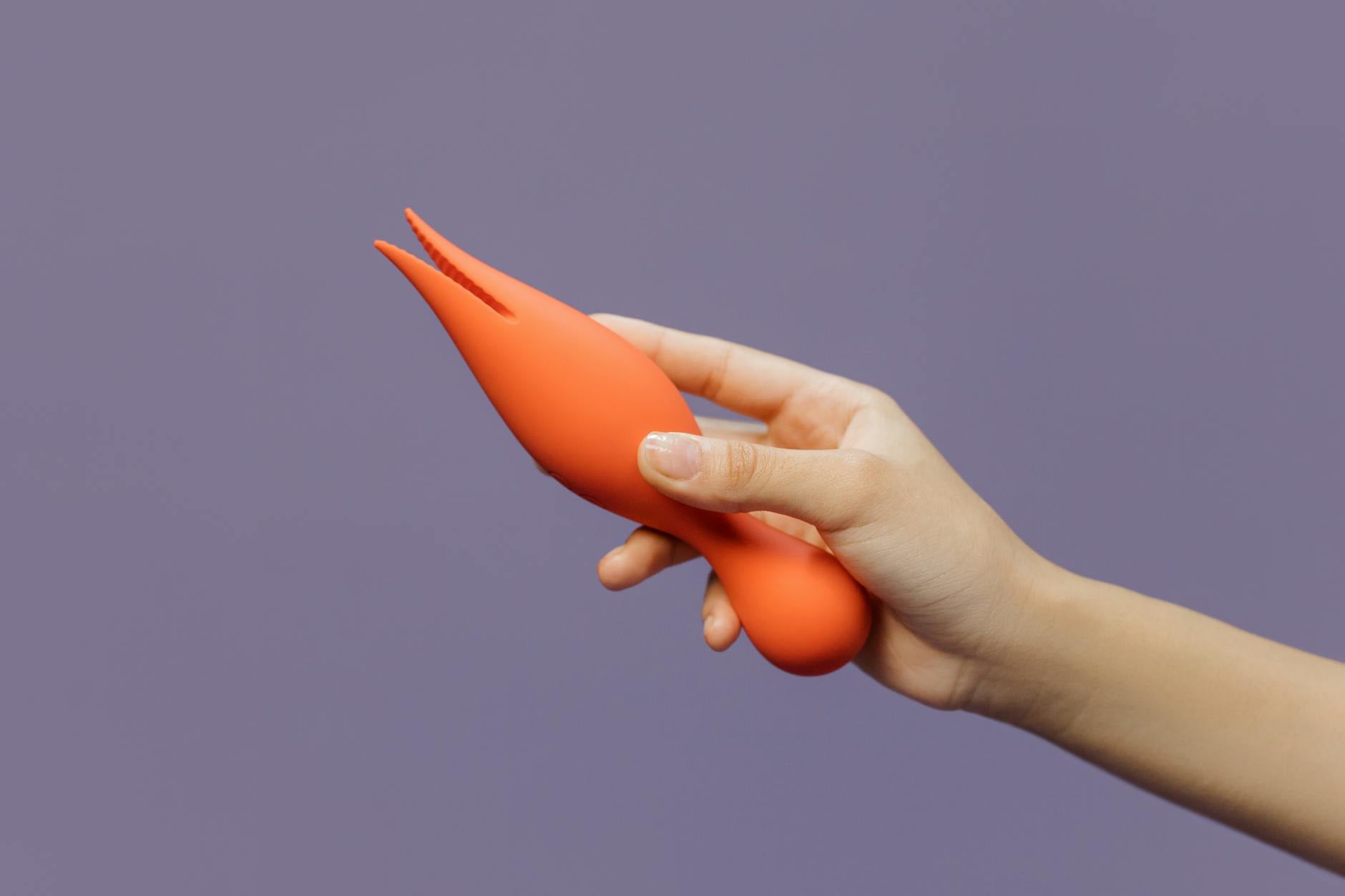
Photo by cottonbro studio on Pexels
Material safety and skin compatibility
The first rule is material. A lemon vibrator's body is medical-grade silicone, which is non-porous, hypoallergenic, and extremely unlikely to trigger contact dermatitis. Unlike plastic, rubber, or jelly materials, silicone doesn't break down or release chemicals that irritate sensitive tissue.
Before you use any adult toy, including a lemon clitoral vibrator, clean it thoroughly with warm water and mild soap (no fragrance). Fragrance, even in toy cleansers marketed for this, can irritate sensitive vulva skin. Plain soap is your friend.
If you have a known latex allergy or silicone sensitivity (which is rare but real), check the toy specs carefully. For almost everyone with sensitive skin, silicone is safer than any alternative.
Lubrication is your non-negotiable foundation
This is the single most important step, and I mean this absolutely: never use a lemon vibrator on sensitive skin without lubrication.
Lubrication creates a protective barrier between the toy and your skin. It reduces friction, prevents the suction sensation from feeling too intense, and keeps tissue from drying out during use. Without it, even gentle suction can irritate reactive skin.
Your lubricant choice matters. Water-based lubes are your safest bet for sensitive skin because they're easy to clean up and don't degrade silicone toys. Avoid anything with glycerin, which can feed yeast infections and irritate some vulvas. Look for labels that say "glycerin-free" and "paraben-free."
Apply lube generously. I tell clients to use more than they think they need. It's impossible to overdo it, and extra lubrication protects your skin even more.
Starting slow: settings and timing
When you're new to lemon vibrators and you have sensitive skin, begin with the gentlest setting. Most lemon suckers have multiple patterns. Start on Pattern 1 or the lowest suction level. Your skin needs time to adjust, and low intensity is where you'll often find the best sensation anyway.
Speed up or try new patterns only after you've used Pattern 1 for three to five sessions without irritation. This gradual approach helps you figure out what your skin tolerates and what feels amazing.
Time matters too. Your first few sessions should be short, maybe five to ten minutes. This is partly about letting your body acclimate and partly about preventing overstimulation, which can trigger irritation in sensitive skin.
As your skin becomes familiar with the sensation, you can extend sessions and explore more patterns. Many of my clients find that their skin actually gets less reactive over time because they're building a positive sensation history.
Reading your body: what's normal and what's not
Some redness right after use is normal. A little swelling as your tissue responds to stimulation is normal. Mild soreness if you've been using the toy for a while is normal.
What's not normal: burning, stinging during or immediately after use, persistent redness that doesn't fade within 30 minutes, blistering, or any discharge that smells unusual or looks discolored.
If you experience irritation, stop using the toy and give your skin two to three days to recover. Then troubleshoot. Did you use enough lube? Did you stay on a low setting? Did you go too long? Often it's one of those three things.
If irritation happens even when you've done everything right, you might have contact dermatitis related to the toy itself (very rare with quality silicone) or a deeper skin condition that deserves a dermatologist's attention. There's no shame in that. Sensitive skin sometimes needs professional support.
External vs. internal, and the sensitivity angle
For vulva skin sensitivity specifically, external stimulation only is the move. Lemon vibrators are designed for clitoral use, which means you're stimulating the external clitoris, not the internal vaginal canal.
External tissue tends to be more reactive and sensitive than internal tissue, so this is the place where sensitivity matters most. But it's also where the gentlest approach gives you the most control. You can feel exactly what's happening, adjust your angle and pressure instantly, and stop the moment something doesn't feel right.
If you've had vulvovaginal irritation issues or yeast infections, keeping stimulation external also reduces your risk of introducing bacteria or irritants into the vagina.
The partner conversation
If you're using a lemon vibrator with a partner, the sensitive skin thing matters for communication. Tell them what patterns feel good and which ones make you uncomfortable. Let them know that slow, low-intensity exploration is the goal, not fast escalation.
Many partners worry they're doing something wrong if you need extra lube or lower settings. They're not. They're adapting to your body's needs, which is exactly right. Frame it as "here's what makes me feel best," not "your body is the problem."
When to see a specialist
If you've always had sensitive vulva skin but never got a diagnosis, consider a gynecologist visit. Conditions like vulvodynia, lichen sclerosus, or contact dermatitis benefit from proper assessment. Knowing what's causing your sensitivity helps you manage it better and use toys more confidently.
If irritation appears suddenly after months of comfortable lemon vibrator use, something has changed. New detergent? New lubrication? New medication? Changing hormones? All of these can shift how reactive your skin is. A dermatologist or gynecologist can help you figure out what shifted and whether it's temporary or something that needs treatment.
Your sensitivity is real, it matters, and you absolutely deserve to explore pleasure safely. A lemon vibrator in the right hands, with the right approach, is often the gentlest way to do that.
People also ask
Can I use a lemon vibrator if I have vulvodynia?
Vulvodynia means chronic pain in the vulva that has no clear cause. If you have it, a lemon vibrator might feel triggering rather than pleasurable, especially at first. The key is working with a pelvic floor specialist who understands your specific pain pattern. Some people with vulvodynia find that very gentle, low-intensity suction helps desensitize the area over time. Others find any vibrator too intense. There's no one answer. Start at the absolute lowest setting, use tons of lube, keep sessions very short, and stop immediately if pain appears. Many vulvodynia specialists can guide you on whether and how to safely explore pleasure.
What lubrication is best for sensitive skin and a lemon clitoral vibrator?
Water-based, glycerin-free, paraben-free lubrication is your best option. Brands marketed specifically for sensitive skin are often a good choice. Avoid anything with numbing agents, warming sensations, or strong fragrance. If you're prone to yeast infections, steer clear of glycerin completely. Silicone-based lubes can feel luxurious but they degrade silicone toys over time, so stick with water-based options for your lemon vibrator. Organic, plant-based lubes can work, but always check for additives that might irritate you. When in doubt, start with a small amount on your arm to test for reaction.
How often can I use a lemon sucker if I have tender skin?
Start with once or twice per week for the first month. This gives your skin time to adjust without becoming overworked. As your skin becomes more familiar with the sensation and you develop confidence in what works, you can increase frequency. Some people with sensitive skin use their lemon vibrator daily with no issues. Others find that every other day or three times per week is the sweet spot. The goal is finding a rhythm where you feel great and your skin stays happy. If you notice increasing irritation with more frequent use, dial back. Your skin will tell you what it needs.
Can sensitive skin cause numbness when using a lemon vibrator?
Sensitivity and numbness are actually different issues, though they can feel related. Sensitive skin causes irritation and oversensitivity. Numbness means you're not feeling sensation at all. If you have sensitive skin and it feels numb during or after using a lemon vibrator, you might be overstimulating in a way that fatigues the nerves. Try using lower intensity, shorter sessions, and longer breaks between uses. If numbness persists or started suddenly, see a doctor. Sometimes numbness is a sign of an underlying nerve or circulation issue that deserves attention.
Is there a difference between lemon vibrators and other clitoral vibrators for sensitive skin?
Yes. Lemon vibrators use suction, which is gentler and less irritating than traditional vibration-only toys. They also distribute stimulation more broadly rather than concentrating it in one spot. For sensitive skin, this is usually better. That said, not every lemon vibrator is identical. Some have multiple suction intensities and patterns, which gives you more control. Others are simpler. For sensitive skin, look for a lemon clitoral vibrator with adjustable suction levels so you can start very low and work up. The ability to customize intensity is more important than the specific brand.
What if I'm allergic to silicone?
True silicone allergies are extremely rare, but they do exist. If you have a known silicone allergy, check with your dermatologist before using any silicone toy, including a lemon vibrator. If you're not sure whether you're allergic, you can test by wearing a small piece of medical-grade silicone on your skin for 24 hours in a covered spot (like under a bandage). If you develop a reaction, silicone might not be for you. In that case, some glass or stainless steel toys are options, though they typically vibrate rather than use suction. Talk to a doctor about what's safest for your specific allergy.
The bottom line
Sensitive skin doesn't have to mean saying goodbye to pleasure. It means being intentional about how you explore it. A lemon vibrator, used with the right lube, the right settings, and the right expectations, is often one of the gentlest ways to experience clitoral stimulation when your skin is easily irritated.
Start low, use tons of lube, listen to your body, and give yourself permission to move slowly. Your skin will adapt, and your pleasure will follow. If something doesn't feel right, reach out to a healthcare provider who gets it. You deserve support and answers.