Here's what nobody tells you about sensory sensitivity and pleasure
Having sensory sensitivities doesn't disqualify you from pleasure. But it does mean that a vibrator designed for someone with typical sensory thresholds might feel like sensory chaos rather than enjoyment. The good news is that lemon vibrators, with their specific suction-based design, actually tend to work better for people with sensory processing differences than traditional buzzing vibrators do.
I work with a lot of people who have ADHD, autism, anxiety, or just naturally low sensory thresholds. They often assume they're stuck with lower pleasure because their bodies process sensation differently. That's not how this works. It's actually about understanding your sensory profile and matching your tool to it.
What sensory sensitivity actually means during pleasure
Sensory processing sensitivity isn't one thing. It's a constellation of patterns that might include: certain textures feeling unbearable, sound amplification (a buzzing vibrator sounds like a chainsaw in your head), light touch creating static rather than pleasure, intense stimulation shutting you down rather than opening you up, or difficulty filtering out background sensation.
When you're trying to access pleasure with a sensory system like this, the most common experience is that stimulation that "should" work feels like an assault. You're not broken. Your nervous system is working perfectly. It's just that it needs different parameters.
The reason lemon clitoral vibrators work better during perimenopause than other toys applies here too. Suction-based stimulation distributes sensation over a wider area rather than concentrating it into a point. For someone with sensory processing differences, this is often the difference between pleasure and shutdown.
Why suction beats buzz for sensory-sensitive people
Traditional vibrators create high-frequency buzzing that concentrates sensation at the contact point. If your sensory system amplifies high-frequency sound or touch, this can feel like static electricity in your nervous system. Suction, by contrast, creates a gentler, broader field of stimulation that activates nerves without the same precision-tool intensity.
The Lemon Vibrator specifically operates at a lower overall decibel range than many clitoral vibrators. It's quieter, which means your auditory nervous system isn't fighting background noise. The suction pattern is also more forgiving. You can modulate intensity through distance and pressure rather than being locked into preset buzz speeds that feel binary: on or overwhelming.
For people managing sensory sensitivities, this control is essential. It means you're not chasing an optimal speed that doesn't exist for your body. You're finding the pressure and distance that work in this moment, with this nervous system state.
Setting up your environment first
This step matters more for sensory-sensitive folks than for anyone else. Your environment isn't background noise. It's part of your sensory load, and your capacity for pleasure depends on managing the total load, not just the toy.
Control the light. Dim or turn off overhead lights. Use a single warm light source, or none at all. If you're sensitive to visual stimulation, too much light creates competition for your attention.
Manage sound. Close the door, use a white noise machine or soft background sound if silence feels weird, and put your phone on silent. For people with sensory sensitivities, every unexpected sound pulls you out of arousal.
Choose your surface. Soft textures matter more here. A bed with familiar, soft sheets is better than a couch with rough upholstery. Your whole nervous system needs to feel safe and comfortable.
Temperature. A cool room is usually better than warm. Overheating plus stimulation can feel overwhelming. If you get cold easily, use blankets you can control rather than relying on ambient heat.

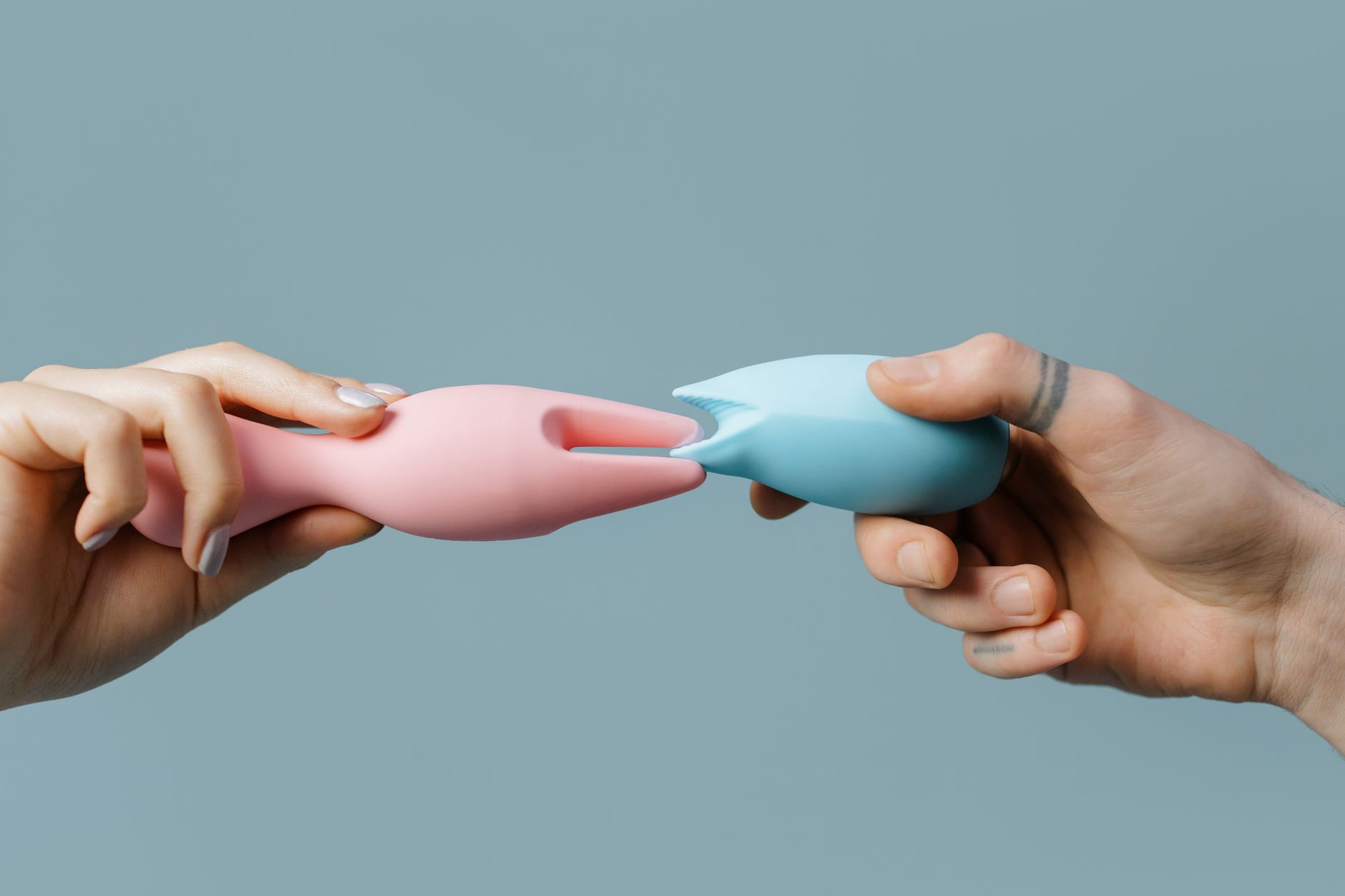
Photo by Frank Schrader on Pexels
Starting with the lowest settings and building
Sensory sensitivity often means that intensity scaling is backwards from what you'd expect. You don't want to start at pattern three and work up. You want to start at pattern one and stay there for weeks if needed.
With a Lemon Vibrator, this is actually feasible because suction patterns are more discrete than buzz levels. Pattern one delivers real, meaningful stimulation without being aggressive. Many people with sensory sensitivities report that this is their sweet spot, and they never move beyond it. That's completely valid.
Here's the protocol: use pattern one for at least three sessions before considering moving up. Your nervous system needs time to learn that this sensation is safe, pleasurable, and predictable. For some people, that learning takes weeks. There's no timeline other than your own.
During these early sessions, your job isn't to orgasm. It's to notice what feels good without pressure. If nothing feels good, that's information too. You might need longer warm-up time, different positioning, or different lubrication.
Lubrication and texture considerations
If you have tactile sensitivities, lubrication isn't just about comfort. It's about changing the texture profile of what you're experiencing. Water-based lube creates smoothness and reduces friction. Some people find that without lube, even suction stimulation feels too direct. With lube, it becomes diffuse and gentle.
If you're sensitive to the feeling of wet or slick, you have options. Some people prefer very light application. Others prefer silicone-based lube (though not with silicone toys). Some prefer oil-based alternatives. Test in small amounts and notice what your nervous system is doing, not just what feels theoretically right.
You might also find that you need to reapply lube partway through or choose different lubrication for different sessions. This isn't failure. It's information about what your sensory system needs right now.
Managing overwhelm if it happens
Even with careful setup, sometimes your nervous system hits a ceiling. This might feel like sudden irritation, numbness, light-headedness, or an urge to flee. These are signs that your sensory load has hit maximum capacity.
When this happens, stop immediately. No shame, no performance pressure. Your job is to recognize the signal early, before it becomes full dysregulation.
After stopping, reset your environment. Change position, drink water, turn on a light, put on a different texture. Give your nervous system 15 minutes to downregulate before trying again, or wait until another session entirely. This isn't wasted time. It's learning what your sensory capacity actually is, which is essential information.
Over time, you'll notice that your capacity expands. Not because your sensitivity decreases, but because your nervous system learns the pattern and stops treating it as a threat. Many people find that after consistent, low-pressure use, they can access longer sessions and occasionally higher intensities.
Partnered use with sensory sensitivities
If you have a partner, communication about sensory needs is non-negotiable. This isn't the same as general communication. You need to be specific: "Soft touch only," "No sudden movement," "I need you to check in every 2 minutes," "Please be as quiet as possible."
Your partner's role is to create the container, not to perform. They can help manage the environment, hold space, and respect boundaries. Many people with sensory sensitivities find that partnered use actually feels safer because someone else is managing the sensory load while they focus on their own nervous system.
If your partner uses the Lemon Vibrator on you, establish a signal system for "pause," "slower," or "stop." Your nervous system might shift during a session, and you need a way to communicate without having to produce words.
When to involve a professional
If you have diagnosed sensory processing disorder, ADHD, or autism, working with a sex therapist who understands neurodivergence can be genuinely valuable. They can help you map your specific sensory profile and design an approach that actually works for your brain.
You might also benefit from working with a somatic practitioner who specializes in nervous system regulation. Understanding how your body moves between sympathetic and parasympathetic states is foundational to pleasure when you have sensory sensitivities.
Neither of these requires you to be broken or pathologized. They're just tools for understanding your own wiring more clearly.
FAQ: Sensory sensitivity and lemon vibrators
What if pattern one on a Lemon Vibrator still feels overwhelming?
Try using it without turning it on first. Hold it against you, explore the texture and weight. Turn it on for five seconds at a time, then off. Build familiarity with the sensation before trying longer use. Some people find that their nervous system settles after 10-15 very short sessions. You're basically desensitizing in the psychological sense, which is evidence-based and works.
Is it normal for sensory sensitivities to fluctuate with stress or hormones?
Completely normal. Your sensory threshold is dynamic. During high stress, when hormones shift, or when you're sleep-deprived, your capacity drops. This doesn't mean the Lemon Vibrator doesn't work for you. It means your nervous system needs different parameters this week. Adjust accordingly, and expect that what works one month might feel different the next.
Can sensory sensitivities improve with time and practice?
Yes, often. Regular, gentle exposure in a safe environment helps your nervous system learn that this sensation is safe and pleasurable. But improvement isn't guaranteed, and it's not required. You can have a full, satisfying pleasure life while maintaining your sensory sensitivities. The goal isn't to "overcome" them. It's to work with them.
What if sound sensitivity is my main issue with vibrators?
The Lemon Vibrator is significantly quieter than most clitoral vibrators, which is a huge advantage. If even that feels like too much, you can use it under a pillow, blanket, or with headphones playing white noise. You can also reach out to contact our team about specific decibel questions if you want technical details before purchasing.
Should I use a numbing cream with sensory sensitivities?
No. The problem isn't that your sensation is too high. The problem is that your nervous system processes sensation differently. Numbing the area doesn't fix that. It actually compounds it by creating competing sensations (the numbness plus whatever you're trying to feel). Stick with environment optimization and gentle intensity instead.
How do I know if my sensory sensitivities are getting worse?
If your capacity is shrinking over time (sessions that worked now feel overwhelming), or if overwhelm happens faster than before, that might signal a change in your overall stress load, hormone status, or nervous system regulation. Check in with yourself about sleep, stress, and general well-being. Sometimes sensory sensitivities that seem to worsen are actually just a signal that your nervous system is under pressure elsewhere in your life.
The pleasure you deserve exists for your nervous system
Sensory sensitivities aren't a bug in your pleasure capacity. They're information about how your nervous system works. A lemon clitoral vibrator, with its suction design and lower intensity profile, is often a better match for sensory-sensitive bodies than options that buzz, pulse, or concentrate sensation. The key is setting up your environment, starting low, and trusting your nervous system's signals.
Your pleasure matters. It might look different from someone else's, but that doesn't make it less real or less worth pursuing.
If you're ready to explore further, reach out with any questions about how a Lemon Vibrator might fit your sensory profile. We're here to help you find what actually works for your body.