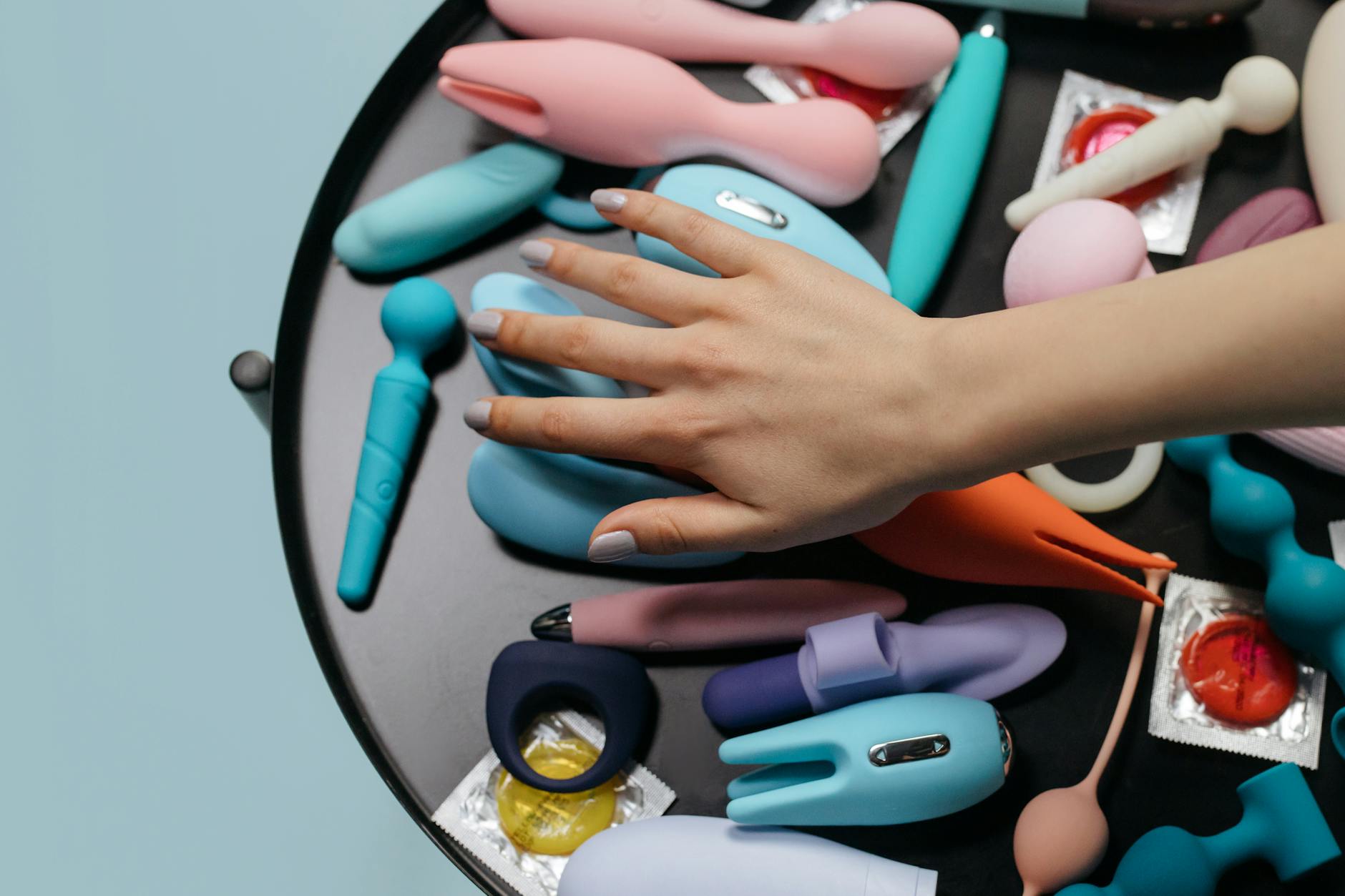
Let's talk about the elephant in the new relationship
You want to bring a lemon vibrator into bed with someone you're still getting to know. Maybe you've used one solo for months. Maybe it's how your body prefers to orgasm. Or maybe you're just curious what it feels like to have them involved. Whatever the reason, the anxiety is real. You're worried they'll feel replaced, or offended, or like you're implying something is wrong with them.
Honestly? That worry is the most common thing I hear in my practice, and it's almost always based on what we imagine they're thinking, not what they actually think.
The conversation before the bedroom
This is non-negotiable. Don't surprise them with a lemon vibrator during sex. That's not playful. That's a betrayal of consent.
Instead, pick a moment outside the bedroom when you're both relaxed. Not before sex, not after sex, not when either of you is tired or distracted. This conversation deserves the same attention you'd give to talking about sexual history or boundaries.
Here's what I'd actually say: "I've been thinking about adding something to our sex life. I use a vibrator sometimes, and I really like it. I'd like to try it with you, if you're open to it. I want to know what you think."
That's it. Simple. You're not asking permission. You're not over-explaining or apologizing. You're stating a fact about yourself and inviting them into it.
What they're probably thinking (and not thinking)
Listen. Most people's first reaction to "I want to use a vibrator during sex" is not "They don't want me anymore." Most people think: "Oh, that could be fun" or "I'm curious how that works" or "I have no idea what to say right now."
Some will have genuine concerns. "Will it hurt?" "Do I need to do something different?" "Does this change what I do?" These are real questions, and they deserve straight answers.
Some will have insecurity. "Does this mean I'm not enough?" This one needs care. Not reassurance (reassurance is something you give someone when they've genuinely done something wrong). But clarity. "My body responds to clitoral stimulation in a specific way. This isn't about you being more or less. It's about how I'm wired."
Others will be excited immediately. And those people tend not to overthink it.
Timing matters more than you think
Don't introduce a lemon vibrator in your first month. You don't yet know how they respond to novelty. You don't know if they're someone who needs to feel fully comfortable before trying new things.
Wait until you've both relaxed into sex together. Usually that's month two or three. You've had good sex. You've probably had mediocre sex. You've seen each other's bodies and liked them. That foundation matters.
When you do introduce it, don't make it the main event. Use it as part of foreplay, or during a moment when you're already in a groove together. The lemon vibrator (sometimes called a lem vibrator or lemon clitoral vibrator) is a tool for more pleasure, not a replacement for what you're already doing.
How to actually use it with them in the room
Start with your hands on them. Kiss them. Touch them. Get them aroused and invested. Then say something like "I want to try something" and introduce the vibrator.
The most natural way: they're inside you or stimulating you, and you apply the vibrator to your clitoris at the same time. This isn't complicated. Your partner is still involved. They still feel the sensations. The vibrator is just adding to the stimulation, not replacing them.
Alternatively, they can hold the vibrator while you guide them. Some partners love this because it feels collaborative. You're literally placing their hand where you want the stimulation.
Or, sometimes, you'll use it solo while they watch or touch you elsewhere. This is also fine. This is also sex. Your pleasure is not a solo activity just because a toy is involved.
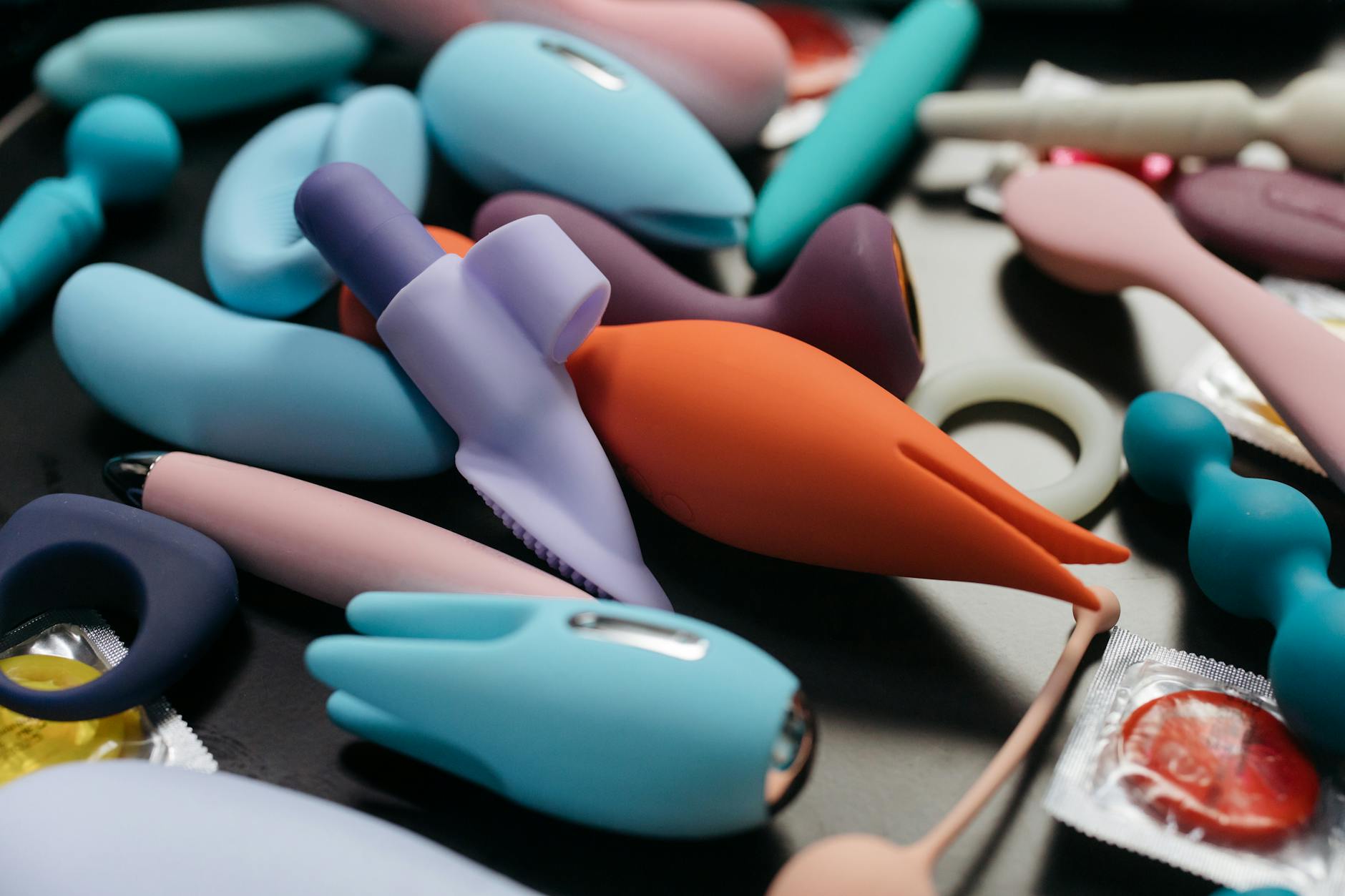
Photo by cottonbro studio on Pexels
The first time, keep it short. Use it for ten minutes, not forty. Let the experience be novel and light, not loaded with pressure.
What to do if they seem uncomfortable
If you notice hesitation or distance, pause. Not to apologize or make them feel better. To clarify.
"What's coming up for you right now?" is a better question than "Is this okay?" Because "Is this okay?" invites a yes or no that might not be honest. "What's coming up?" invites actual information.
Maybe they're intimidated by the device. "It's just a vibrator. It doesn't do anything I can't do with my hands. It just does it faster." That usually helps.
Maybe they're worried about sensation. "You'll feel everything I feel. If anything, this usually makes me orgasm faster, which means we get to the good part sooner." True.
Maybe they're just not ready yet. That's also valid. You can say "Okay, let's not do this tonight. But I'd like to try it when you feel better about it." And then you actually follow that. You don't bring it up again immediately. You wait.
The lemon vibrator is not a marriage proposal
Introducing a clitoral vibrator is not a big relationship milestone. It's introducing a tool that makes sex feel better. The stakes are actually low.
But because it's new and because vulnerability is involved, it can feel high. Your nervous system might treat it like a big risk. And that's normal. But your partner probably won't.
A lemon sexual toy is just a lemon sexual toy. It's not a statement about your relationship status or your future together. It's not saying "I see us long-term." It's saying "I want to feel good during sex, and I think you do too."
After the first time
Don't debrief like you're analyzing a therapy session. Don't ask "Was that okay?" for the fifteenth time. Instead, just notice what happens next. Do they seem more relaxed? Do they initiate sex again? Do they ask questions about the vibrator?
If they do, answer them. If they don't, don't force a conversation.
After a few times, it usually stops feeling like A Thing and just becomes part of what you do. Some nights you use it, some nights you don't. Some partners love being involved, some prefer to watch. Some get curious and want to try it in different ways. All of this is normal progression.
If, after several attempts, they're still genuinely uncomfortable, you get to decide what that means for you. Some people can't get past the discomfort, and that's information. Some partners find toys intimidating for reasons that run deeper than the toy itself. That conversation might be worth having with someone outside the bedroom.
Why a lemon vibrator specifically
Clitoral suction vibrators like those offered by Get Lemon Vibrator work well in partnered scenarios because they don't require a lot of explanation. Your partner isn't confused about what it does or where it goes. It's a handheld device you place on your clitoris. That's it.
It's also quieter than a traditional vibrator, which means less performance anxiety for you both. And it's smaller, which feels less invasive to a partner who's new to toys.
If you're worried about how your new partner will react, sometimes the right tool helps. A lemon clitoral vibrator feels less like you're introducing a statement and more like you're introducing a natural extension of foreplay.
The real question underneath
Here's what I think you're actually asking: "Will they still want me if they know what I need?" And the answer is almost always yes. People who can't handle your needs aren't the people meant to stay. And people who love you will actually be relieved to know what makes you feel good.
Your pleasure isn't a burden. It's not a problem they need to solve. It's just information. And in a healthy partnership, that information makes sex better for both of you, not worse.
Frequently asked questions
What if my new partner thinks vibrators are cheating?
They're allowed to have that feeling, and it's worth understanding where it comes from. Usually it's rooted in the belief that sex should only happen between two people's bodies, and anything else is infidelity. But a vibrator isn't another person. It's a tool, like lube or a pillow. If your partner feels strongly about this, you get to decide whether that's a dealbreaker for you. But also know that many people who feel this way initially change their mind once they see how it actually works.
Can I use a lemon vibrator if my partner is inside me?
Yes, completely. If your partner is penetrating you, you can apply a clitoral vibrator to your clitoris at the same time. This is one of the most common ways people use toys during partnered sex. The sensation for them doesn't change much, but the sensation for you deepens because you're getting both penetration and clitoral stimulation.
What if I orgasm quickly with the vibrator and they haven't?
Then you've learned something useful. Some people come faster than others, and toys can speed things up. You can pause, focus on them for a while, and then come back to your own pleasure. Or you can use it as an opportunity to learn what makes your partner feel good. Sex doesn't have to be synchronized. It just has to feel good to both of you.
Should I tell them I've used a vibrator solo before?
Yes. Not as a confession, but as a fact. "I've used a vibrator on my own for a while. I like how it feels. I want to try it with you." That's clarity, not shame. If you're embarrassed about your own pleasure, your partner will pick up on that and might mirror it.
What if they want to use it on me and I prefer to do it myself?
Tell them that. "I like having control over the pressure and intensity. Can you do something else while I use this?" Some partners love being hands-on with the vibrator. Some people prefer to control it themselves. Both are completely normal. You're allowed to have a preference, and your partner is allowed to respect it.
Is a lemon vibrator different from other clitoral vibrators?
Clitoral suction vibrators like the Lem use air-pulse technology instead of traditional vibration. Some people find this feels more natural or less numbing than a standard vibrator. But it's a personal preference. If you like this style, your partner will probably find it easier to understand because there's less mystery around how it works. It's a very straightforward tool.
The bottom line
Introducing a lemon vibrator to a new partner is not a risk to the relationship. It's an opportunity to build a sexual partnership that's based on actual desire, not performance anxiety. Your pleasure matters. Their comfort matters. And usually, both of those things can exist at the same time.
If you're ready to have this conversation, you probably already know what you want to say. Trust that. And if you need more guidance on navigating intimacy in early relationships, reach out to us—we're here to help.