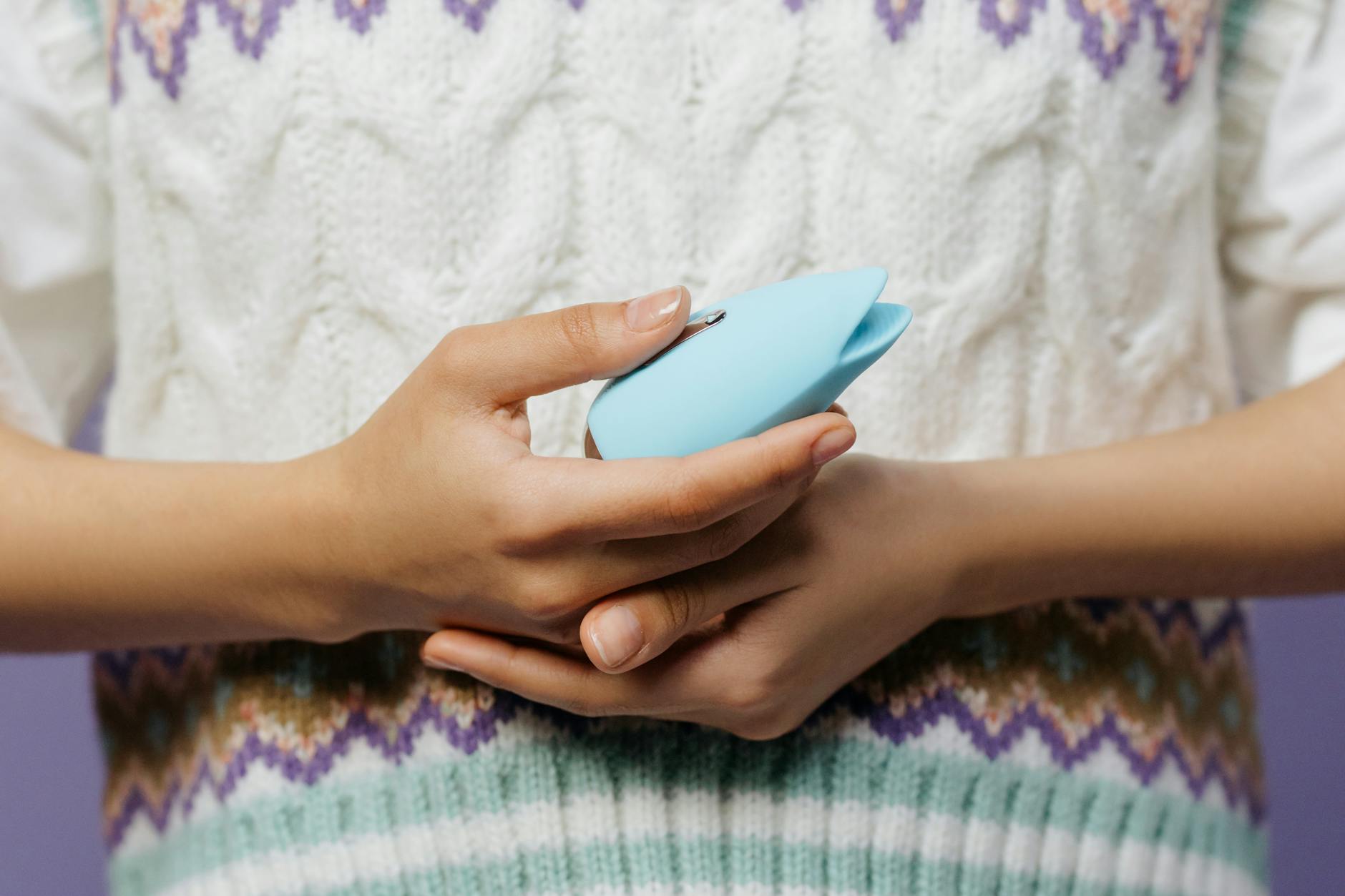
Let's talk about what depression actually does to sex
Depression doesn't just make you sad. It flattens everything. Your body stops sending signals. Touch that used to feel good becomes background noise. The thought of pleasure feels exhausting rather than inviting. You're not broken. This is how depression works.
When you're emerging from that fog, the instinct is often to jump back into your old rhythm with pleasure. But your nervous system needs something gentler. Something that rebuilds the connection without demanding anything of you. That's where lemon clitoral vibrators shift things.
Why your body feels numb (and why it's temporary)
Depression changes your dopamine, serotonin, and norepinephrine. These neurochemicals directly control arousal, orgasm, and the pleasure you feel during stimulation. Your clitoris doesn't stop working. Your body hasn't forgotten how to respond. But the signal between your brain and your genitals gets quieter. Much quieter.
This is reversible. Healing from depression, whether through therapy, medication, time, or all three, gradually restores sensation. But that restoration happens in layers. You might notice energy returning before pleasure returns. Mood lifting before desire follows. It's not linear.
Lemon vibrators are useful during this recovery because they work with suction and pulsing patterns that don't depend on your sensitivity being at baseline. They're strong enough to reach through numbness without being harsh.
Starting small: why gentleness isn't weakness
When you're rebuilding, the goal isn't orgasm. I know that sounds counterintuitive, but stay with me. The goal is to remind your body that sensation is possible. That pleasure is still there, even if it feels distant.
Start with the lowest intensity setting on your lemon vibrator. The Lemon Clitoral Vibrator has a range from soft pulsing to intense suction. You want to begin at the gentlest setting, not because you're fragile, but because you're retraining your nervous system to recognize pleasure as safe again.
Three patterns that work during recovery:
The slow rebuild. Apply the vibrator at the lowest setting for two to three minutes. Don't chase a feeling. Let your body get used to the sensation. Repeat this for three to five sessions before turning the intensity up. Your nervous system learns faster with consistency.
The exploring session. Use the vibrator to slowly map your body. Not everything needs to feel intense. The inside of your thighs, your lower abdomen, the area around your clitoris (not directly on it at first). Many people find that sensation returns to surrounding areas before it returns to the clitoris itself. This is normal.
The anchor pattern. Find one specific pattern or intensity setting that feels good, even if it's subtle. Use that same setting for a week. Your brain builds associations with pleasure when it's consistent and repeated. Switching patterns constantly can feel like you're chasing something instead of finding it.
Why medication changes things (and how to plan for it)
Many antidepressants, particularly SSRIs, can lower libido as a side effect. You might feel emotionally better, your mood might lift, but pleasure stays muted. This is a real side effect, not something you're imagining. If this happens, talk to your prescriber about timing, dosage adjustment, or switching medications.
Lemon clitoral vibrators are particularly helpful here because they can sometimes overcome the dampening effect of SSRIs. The suction mechanism is strong enough to create sensation even when your body is making less of its own neurochemical response. It's not a workaround for a medication problem. It's a bridge while you and your prescriber figure out what works best for your chemistry.
The psychology of touch when trust is fragile
Depression often makes you distrust your own body. You feel disconnected from it. Numb. Sometimes angry at it. Using a lemon vibrator gives you control in a way that rebuilds that trust.
You choose when to use it. You choose the intensity. You choose to stop whenever you want. There's no performance pressure. No need to finish. No obligation to feel anything specific. That agency matters because it tells your nervous system that pleasure is safe and on your terms.
If you have a partner, this is worth a separate conversation. Tell them you're using a vibrator to reconnect with sensation during recovery. You're not replacing them. You're doing solo healing work. The boundary between those conversations keeps both of you from feeling confused or hurt.
When to add your partner back in
Not yet if you're still in the thick of it. But as sensation returns and you start noticing pleasure again, partnered touch can deepen the recovery.
Here's the tricky part: your partner may have been through their own grief watching depression numb your pleasure. They might be anxious about re-entry too. That anxiety can make them push harder or expect more than you're ready for. You need to name that out loud. "I'm relearning pleasure. That means slow. That means sometimes I'll say stop. That's not about you."
A lemon vibrator with a partner can be a shared experience. They can hold it, experiment with patterns together, or watch while you explore. But the first time you bring them into this space, the goal is still not orgasm. It's reconnection. Presence. Trust.
Setting a realistic timeline
Sensation doesn't return on a schedule. Some people feel noticeable shifts in three to four weeks of consistent recovery work. Others take two to three months. Medication plays a role. Stress plays a role. How long you were depressed plays a role. Your individual neurobiology plays a role.
Expect the process to look something like this. Weeks one to two: you might feel almost nothing, or you might notice a faint spark that disappears. This is your nervous system waking up. Weeks three to four: sensation becomes more consistent, but still muted. Weeks five to eight: pleasure starts to feel recognizable again, though maybe different than before. Month three onward: your baseline sexual sensation stabilizes, often stronger than it was before depression because you've had to rewire your attention.
There's no rush. Pleasure is patient. You can be too.
When you hit a plateau (and how to move through it)
You'll have weeks where progress stalls. You felt sensation returning, and then suddenly it flattens again. This doesn't mean you're slipping back into depression. It usually means your nervous system needs a different stimulus or more rest.
Try changing your pattern. If you've been using the lemon vibrator three times a week, try daily for a week. Or take a week completely off and then resume. Change your setting time. Morning instead of evening. A different room. Your body sometimes needs novelty to keep rebuilding.
If sensation drops dramatically and doesn't return within a week or two, check in with your therapist or prescriber. You might need a dosage adjustment, a medication switch, or additional support. Using a lemon vibrator is part of recovery, not the whole thing.
The difference between numbness and grief
Some people confuse numbness with mourning. Depression took time away from you. It took pleasure you can't get back. It took intimacy with yourself and maybe with a partner. That loss is real, and it deserves to be grieved.
You can grieve while also rebuilding. A lemon vibrator isn't a replacement for what depression took. It's a tool for claiming what's still available to you. That distinction matters because it keeps you from expecting the vibrator to fix something that needs time and processing.
FAQ
Can you use a lemon vibrator while still depressed?
Yes, but approach it differently. While actively depressed, the goal isn't pleasure or orgasm. It's just sensation awareness. The vibration tells your body it's capable of feeling something. If it helps you notice that capacity, that's enough. Don't push yourself. If it feels like too much, stop. Your nervous system is already overwhelmed.
How long before sensation returns after starting antidepressants?
It varies wildly. Some people notice shifts within two to three weeks. Others take two to three months. Medication takes time to build in your system, and sensation sometimes returns last, even after mood improves. If libido hasn't improved after eight weeks on a stable dose, talk to your prescriber about alternatives.
Can you use a lemon vibrator for foreplay during depression recovery?
Yes, but only if you want to. Don't use it because you think you should be ready for partnered sex. Use it if your body is asking for stimulation and you feel safe exploring. There's a difference between choosing to explore and forcing yourself to perform recovery.
Does numbness from depression feel different than numbness from medication?
Yes. Depression numbness usually includes emotional flatness and low motivation. You don't want to feel better. Medication numbness is more isolated. Your mood lifts but your genitals don't respond the same way. If you're experiencing medication numbness, that's a dosage or chemistry conversation with your prescriber.
Is it normal to cry while using a lemon vibrator during recovery?
Completely normal. Sensation returning sometimes triggers emotion. Your nervous system is waking up, and emotions are stored in your body. If you cry, that's your body processing. Let it happen. Have tissues nearby. It's healing.
How do you know when you're ready to move to a higher intensity setting?
When the current setting no longer feels like work. When you use your lemon vibrator and think, "This is pleasant," instead of, "I should be feeling more." When you want to try a higher intensity out of curiosity, not desperation. That wanting tells you your body is asking for more stimulation. That's the signal to increase.
Your body knows its own timeline. Listen to it.