Let's name the thing nobody wants to say
Your partner won't talk about sex. Not won't as in "refuses out of stubbornness." Won't as in genuinely struggles to form the words, freezes up, deflects to a joke, or goes quiet. And you're stuck in the gap between wanting more intimacy and not knowing how to ask without making them feel attacked or ashamed.
Here's what I see in my practice: vulnerability about pleasure is harder than vulnerability about almost anything else. You can tell someone you're scared about money. You can cry about your childhood. But admit you want something specific sexually, or that sex feels confusing, or that you're worried you're not enough. That's a different kind of exposure. For some people, it feels catastrophic.
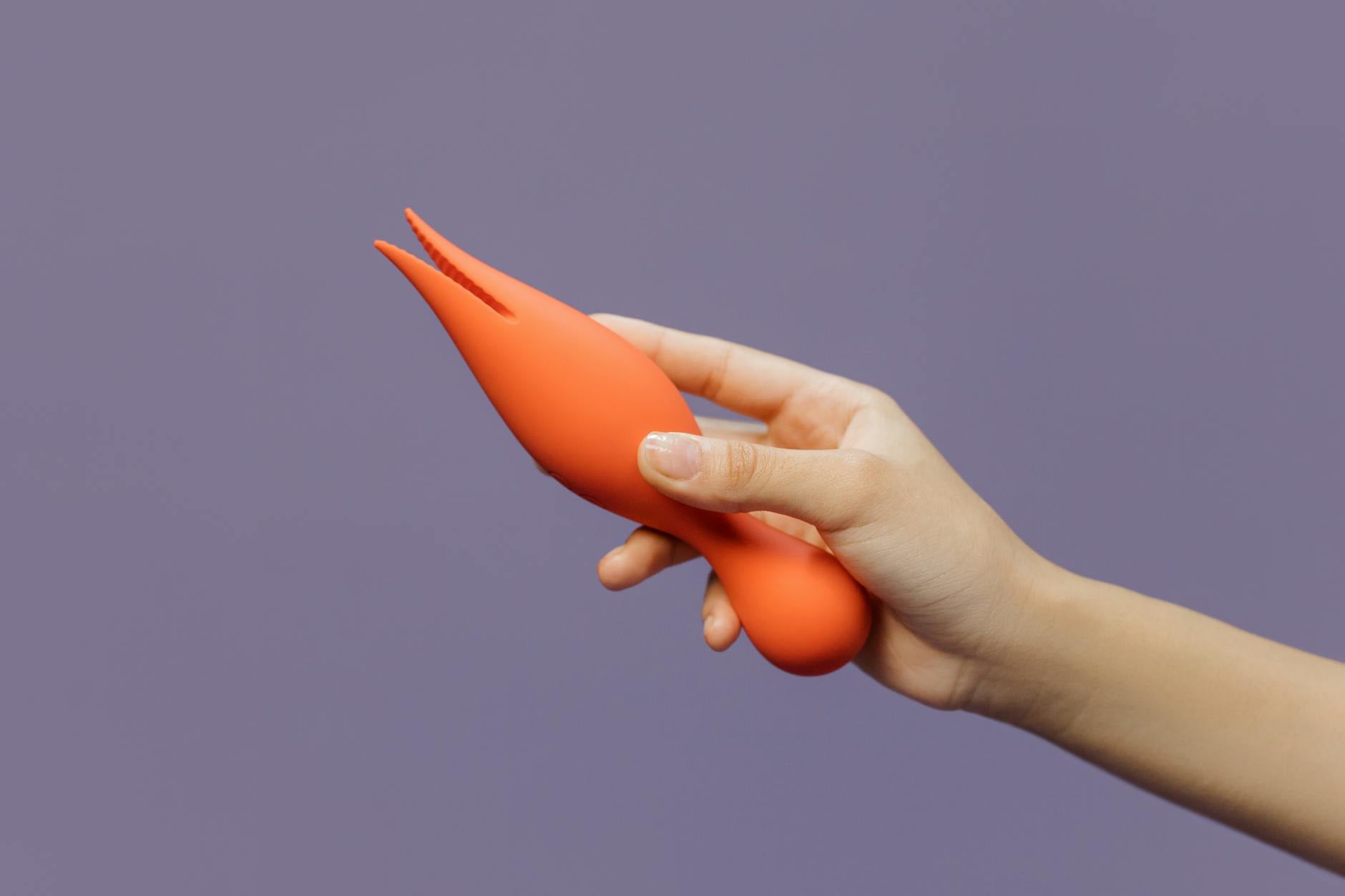
The good news: a lemon vibrator isn't therapy, but it can be a permission slip.
Why some people shut down around sex
It's almost never about the act itself.
Most people who struggle to talk about sex have at least one of these in their history: shame messages from childhood (sex is dirty, bodies are shameful), past sexual experiences that didn't feel safe, anxiety about judgment or rejection, or a relationship pattern where criticism happened elsewhere and now they're protecting themselves.
Some people also grew up with zero modeling for talking about pleasure at all. Their parents never mentioned sex except to say "don't." They learned that the polite thing to do is pretend it doesn't matter.
What's tricky is that avoidance actually reinforces the anxiety. The longer you don't talk about something, the bigger and scarier it becomes. So your partner isn't just avoiding discomfort in the moment. They're cementing a belief that it's too dangerous to discuss.
That's where a physical object becomes useful. A lemon vibrator is concrete. It's not an accusation or a request or an emotional demand. It's a thing you can point to and say, "I got this because I want us to feel good together." The vulnerability is distributed across you, them, and the object.
How to introduce a lemon vibrator when your partner is guarded
Timing and framing are everything.
First: do NOT surprise them with it during sex. I know it seems like a spontaneous moment, but if your partner struggles with vulnerability, sudden introduction of a toy feels like a setup or a gotcha. It increases shame, not intimacy.
Instead, bring it up when you're both calm and clothed. You could say something like: "I've been thinking about our sex life, and I want us both to feel better. I looked into some things that might help, and I found something I'd like to try with you. Would you be open to talking about it?"
Notice what's happening there: you're naming that you care about their experience too (not just your own pleasure), you're framing the lemon clitoral vibrator as a tool for both of you (not a replacement for them), and you're asking for consent to even discuss it (not springing it on them).
Second: let them ask questions. When people are guarded, questions feel safer than lectures. "Do you have concerns about it?" "What would make you more comfortable?" "Have you ever used toys before, and how was that?" These aren't fishing for the right answer. You're genuinely asking so you can understand what they need.
Some people worry a lem vibrator means they're not enough. That's the fear underneath the silence. Addressing it directly matters: "This isn't about you not being good at sex. This is about exploring something new together. I want more of you, not less."
The first time using it together (managing his or her anxiety)
Go slowly.
If your partner is vulnerable-avoidant, moving fast will feel like pressure, which pushes them back into shutdown. So set expectations low. You don't need to have a five-alarm orgasm the first time. You're building trust that this is safe.
Start with the lemon vibrator off. Just hold it, touch it, get curious about it without stakes. Let them hold it too. Some people feel less anxious when they have some control over the introduction.
When you do turn it on, start at the lowest setting. This does two things: it's less intense physically, and it's less intense psychologically. Less stimulation means less pressure to perform or react in a certain way.
Talk during it. I know that feels weird if you're both used to silence. But narration actually reduces anxiety for guarded people because it removes the guessing game. "This feels good" or "I like when you..." are simple statements that make the experience less isolating and more connected.
If your partner goes quiet or tense, pause. Don't push through it. Check in: "How are you feeling?" Sometimes they need to hear that it's okay to stop, that you're not disappointed, that nothing bad is happening.
The conversation that needs to happen after
This is where real intimacy starts.
After sex, especially when introducing something new, ask what it was like for them. Not "Did you like it?" (yes/no trap). Try: "What felt good?" or "What was the hardest part?" or "What would you want different next time?"
Their answer is data. If they say "I felt self-conscious," you now know self-consciousness is the barrier, and you can address that directly (more light touch, more verbal reassurance, longer warm-up, whatever). If they say "I loved it but felt rushed," you know to slow down.
For partners who struggle with vulnerability, these conversations often feel safer if you're not making eye contact. Walking side by side, sitting in the car, lying in the dark. Some people open up easier when they're not being watched.
Also: be ready for the conversation to be imperfect. Your partner might stumble over words, or say something that comes out wrong, or go quiet. That's not failure. That's them trying. Acknowledge the effort: "I know this is hard for you. I appreciate you being willing to talk about it."
Why a lemon vibrator specifically helps with this dynamic
A lem vibrator works by suction, which is different from vibration. That difference matters psychologically.
For people with shame or anxiety around sex, suction often feels less clinical and less performance-oriented than a traditional vibrator. It's gentler, more rhythmic, and the sensation is more about sustained pleasure than intense stimulation. For guarded partners, that can feel more intimate and less like "we're using a sex tool."
It's also small and approachable, which helps. A huge, intimidating toy can amplify anxiety. A lemon clitoral vibrator is discreet, almost unassuming. That matters when you're already nervous.
When to seek help beyond the bedroom
If your partner struggles with vulnerability only around sex, the tools above will likely help. But if the avoidance shows up everywhere. If they won't talk about feelings in general, or struggles in the relationship, or anything that requires emotional risk. That's a sign you both need a couples therapist.
A lemon vibrator can open a door to intimacy, but it can't repair a relationship with deeper communication problems. That requires professional support, and there's no shame in that. In fact, couples who seek therapy early often have stronger, more resilient relationships long-term.
The slow, unglamorous truth about rebuilding intimacy
Using a lemon sexual toy with a guarded partner isn't magic. It's not going to transform your relationship overnight. What it does is create a moment where vulnerability feels slightly less scary because you're both focused on sensation and pleasure, not judgment.
The real work happens in the conversations. In asking questions even when they're hard to ask. In hearing "I don't know" or "I'm scared" and responding with patience instead of frustration. In understanding that your partner's difficulty with vulnerability isn't a personal rejection. It's their history showing up.
Over time, small moments of safety stack up. You use the lem vibrator and it goes well. You talk about it afterward and nothing bad happens. You try it again and your partner suggests something. They're building evidence that vulnerability is survivable. That you won't leave or shame them.
That's when real intimacy starts. Not because of the toy. Because of the trust.
People also ask
How do I talk to my partner about wanting to use a lemon vibrator if they've never been open about sex?
Start outside the bedroom with low stakes. Choose a calm moment and be honest: "I care about our physical connection, and I want both of us to feel good. I found something I'd like to explore together. Would you be willing to talk about it?" The key is naming that this is for both of you, not just you, and asking for a conversation rather than compliance. If they say no, respect that boundary and ask what would make them more comfortable.
What if my partner is worried a lemon vibrator means they're not enough?
That's the most common fear underneath the resistance. Name it directly: "Using a toy isn't about you not being good at sex. It's about adding something new to what we already have. I want more of you, not less." Then show them through your actions. Use the vibrator with them, not away from them. Talk about what feels good. Make it a shared experience, not a solo indulgence. Over time, they'll internalize that it's enhancement, not replacement.
Is it better to start with a lemon clitoral vibrator or a different kind of toy?
For partners who are anxious or avoidant, a lem vibrator is often easier because the sensation is less intense and more rhythmic than traditional vibration. The suction is also different enough from penetration that it feels like exploring something new rather than "trying something I already know I'm bad at." But ultimately, your partner's comfort matters more than the specific toy. If they'd prefer to start with something else, that's worth honoring.
How soon after introducing a lemon vibrator should we expect things to improve?
It depends on what "improve" means. If you mean better orgasms, that might happen the first time. If you mean better communication and emotional intimacy, expect a longer arc. Small moments of safety need to repeat before trust deepens. You might see shifts in a few weeks. Real transformation usually takes months. That's not a failure. That's how attachment works.
What if my partner still won't engage even after I've tried all of this?
Then you have a bigger conversation about the relationship. If your partner consistently refuses to engage with intimacy or communication, even after you've created safety and asked directly, that's information. It might mean they're not ready for a sexual relationship. It might mean they're struggling with depression or trauma that needs professional support. It might mean you're incompatible. A therapist can help you figure out which one, and what comes next.
Can using a lemon vibrator together actually fix communication problems in a relationship?
No. A lemon sexual toy is a tool for pleasure and connection, not a relationship fix. If your relationship has deeper communication issues, avoidance patterns, or unresolved conflict, adding a vibrator won't resolve those. It might create a moment of bonding, but the problems will resurface. That's when couples therapy becomes important. A good therapist helps you both develop the skills to talk about hard things, not just sex.
The bottom line
When your partner struggles with vulnerability, intimacy stalls. A lemon vibrator won't fix the underlying anxiety, but it can create a lower-stakes entry point to pleasure and connection. The real work happens in the conversations. In naming fears directly. In responding to your partner's discomfort with curiosity instead of defensiveness. In building the evidence, over months, that vulnerability with you is safe.
If you're ready to explore this together, get intentional about it. Choose a time when you're both calm. Be honest about why you want this. Ask questions and listen to the answers. Then move slowly and stay connected.
Your partner's walls came down for a reason. Patience and consistency are what bring them down again.