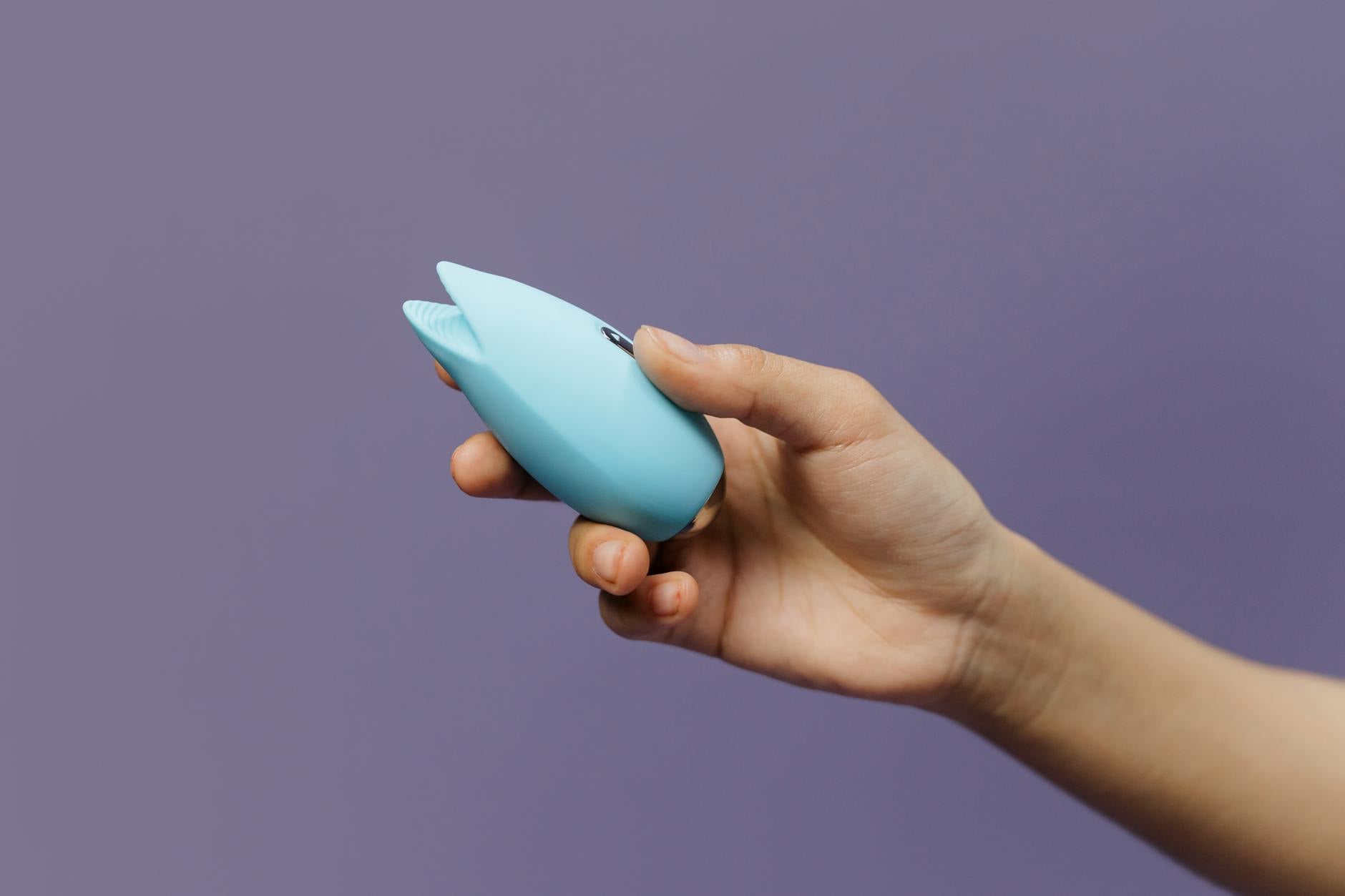
How to Use a Lemon Vibrator for Stronger Pleasure When Your Pelvic Floor Is Tight
Let's be real. You can own the best lemon clitoral vibrator on the market, follow every technique guide, and still feel almost nothing. And the problem isn't the toy. It's the muscle you can't see tensing up before you even start.
A tight pelvic floor is one of the most common barriers to pleasure, and almost no one talks about it directly. You experience it as numbness, difficulty reaching orgasm, or feeling "stuck" despite stimulation. The actual cause is simple: your pelvic floor muscles are clenched, cutting off blood flow and nerve sensation exactly where you need it most.
The good news is that a lemon vibrator paired with deliberate pelvic floor release can transform this. I'm going to walk you through exactly why this works and how to use it.
What a tight pelvic floor actually does to pleasure
Your pelvic floor is a hammock of muscle that stretches from your pubic bone to your tailbone. It supports your bladder, bowel, and uterus. It also surrounds and supports the clitoris and vaginal tissue. When those muscles are tight, they literally restrict blood flow to the tissues you're trying to stimulate.
Think of it like this: you can't get a good massage if your shoulders are shrugged up to your ears. The tension prevents relaxation and sensation. Same thing happens below.
Why does the pelvic floor get tight in the first place? Usually it's one of these:
- Chronic stress or anxiety (your body holds tension there without you realizing it)
- A history of pain during sex, even if it was years ago
- Sitting for hours at a desk or in a car
- Doing too many kegel exercises without learning how to relax afterward
- Pelvic trauma or surgery
- Hormonal shifts that make the tissue thinner and more easily irritated
When the tissue is irritated, the pelvic floor clenches in response. It's a protective reflex. But that protection becomes a cage.
Why lemon vibrators work better when your floor is tight
A lemon vibrator, also called a lemon sucker or air-pulse toy, uses gentle suction and rhythmic waves instead of direct vibration. This matters enormously when your pelvic floor is tense.
Direct vibration can feel jarring or even painful when the surrounding muscles are clenched. It's like trying to massage a fist. But the gentle suction of a lemon clitoral vibrator creates a different sensation: it stimulates the nerve endings without requiring the muscles to be relaxed first. In fact, the gentle rhythm often helps them release.
I've worked with hundreds of people who thought they had low sensation or couldn't orgasm. Once we addressed the pelvic floor tension, adding a lemon vibrator turned everything around. The toy wasn't the missing piece. The relaxation was. The toy just makes that relaxation feel good.
The pre-stimulation release routine
Don't go straight to the toy. Your pelvic floor needs five to ten minutes of deliberate warm-up first.
Start lying on your back with your knees bent and feet flat on the floor, hip-width apart. Place one hand on your lower belly and breathe into it. Slow, deep breaths. Exhale longer than you inhale. This alone begins to calm the nervous system.
Now the key part: on each exhale, consciously relax your pelvic floor. You don't need to "do" anything to it. Just notice where it is. Most people discover they've been clenching without realizing it. On the exhale, let it soften. It feels a bit like releasing a held muscle in your jaw or shoulders.
Do this for three to five minutes. Your body should start to feel heavier into the floor. That heaviness is the release happening.
If you find this hard, you're not alone. After years of automatic tension, the pelvic floor muscles sometimes forget how to fully relax. That's okay. Just practice noticing and gently inviting softness. This gets easier.
Using the lemon vibrator once you're relaxed
Now start with your lemon vibrator on the lowest setting. Don't jump to intensity level three or four. Start at one.
Maintain that slow breathing. The temptation is to hold your breath and tense up as stimulation builds. Don't. Keep exhaling. If you notice your pelvic floor clenching again, pause and breathe back into relaxation, then restart.
This is not about rushing to orgasm. This is about building sensation so your body remembers what pleasure feels like when the muscles aren't in the way.
Many people find that when they slow down and stay relaxed, orgasm actually comes easier. Your body isn't fighting itself anymore. The sensation can travel instead of getting blocked.
If you still feel mostly nothing after two or three sessions of this, consider whether you might benefit from physical therapy. Pelvic floor physical therapists can teach internal release techniques that are even more effective than breathing alone. This is medical care, not a sign of dysfunction. It's exactly what these therapists specialize in.
The connection between arousal and pelvic floor relaxation
Here's something most guides miss: arousal and pelvic floor relaxation work together. You don't just relax first and then get aroused. The two happen simultaneously.
Erotically engaging content, fantasies, or partner interaction can help trigger arousal, which helps muscles relax. But stress, distraction, and pressure do the opposite. They keep everything locked.
This is why using your lemon vibrator works best when you're not in a rush. Carve out thirty minutes. Dim the lights. Put your phone away. Let your mind wander into whatever turns you on. The combination of mental arousal and physical relaxation is what builds the sensation you're looking for.
If you're using this with a partner, they can help by being patient and not pushing intensity. Sometimes the most erotic thing a partner can do is slow down and check in. "Does this feel good? Want to stay here?" Trust and relaxation go hand in hand.
When tension returns mid-session
Even once you've released your pelvic floor, tension can creep back in as pleasure builds. This is completely normal. Your nervous system sometimes mistakes strong sensation for threat and tightens up again.
When this happens, don't push through. Pause. Breathe. Let things settle. Then start again gently. You're retraining your nervous system to tolerate and enjoy sensation. That takes repetition, not force.
After a few sessions of this practice, your body learns: "Oh, this sensation is safe. I can relax and feel it." The pelvic floor stops its protective clenching. Pleasure becomes possible.
Beyond the vibrator: what else helps
Using a lemon vibrator is one piece. A few other things make a huge difference:
Pelvic floor stretches. After pleasure sessions, spend five minutes stretching the area. Happy baby pose, pigeon pose, or child's pose all work. These keep the muscles from re-tightening.
Reduce general stress. Your pelvic floor mirrors your nervous system state. If you're chronically stressed, this muscle stays clenched. Anything that lowers baseline stress helps: walks, therapy, meditation, time with people you trust.
Check your habits. If you sit for eight hours a day, your pelvic floor is already fatigued. Standing more, moving around, and taking breaks genuinely matter.
Warm water. Warm baths relax pelvic floor muscles. Add warmth to your pre-stimulation routine and you'll notice even faster release.
Communication with your partner. If you're with someone, let them know what you're working on. "I'm learning to relax my pelvic floor so I can feel more sensation." Pressure to perform kills relaxation. Permission and patience allow it.
Frequently Asked Questions
How long does it take before a tight pelvic floor starts to relax?
Most people notice the first shift within two to three sessions of deliberate relaxation and gentle stimulation. But real change usually takes two to four weeks of consistent practice. Your body has spent months or years holding this tension. Releasing it is a skill that gets better with repetition, not something that happens overnight.
Can I use a regular vibrator if I have a tight pelvic floor?
You can, but it's less comfortable and often less effective. A lemon vibrator's gentle suction is gentler on tense tissue. If you already own a regular vibrator, start it on the lowest setting and focus on the breathing and relaxation part. Once your pelvic floor loosens, you can explore other toys more comfortably. Different toys serve different purposes.
Does my partner need to do anything differently when I'm working on pelvic floor tension?
Yes. Patience is everything. If your partner typically initiates by going straight to intense stimulation, ask them to slow down. Longer warm-up time, more external stimulation before internal, and frequent check-ins all help. Partners who understand that tension is the problem, not lack of desire, often become incredibly supportive.
What if breathing and relaxation aren't working?
If you've tried consistent relaxation practice for three weeks and nothing shifts, it's time to see a pelvic floor physical therapist. They can assess your muscles directly and teach internal release techniques that are impossible to do on your own. This is not a failure. It's just recognizing when professional guidance helps. Many people need this support.
Is a tight pelvic floor the same as vaginismus?
Vaginismus is involuntary clenching that prevents penetration. A tight pelvic floor is more general tension that can exist without vaginismus. You can have pelvic floor tension without penetration being painful, and you can have vaginismus that involves pelvic floor tension. A pelvic floor physical therapist can determine which you have and what approach helps most.
Can I use a lemon clitoral vibrator if I've had pelvic floor surgery?
Usually yes, but check with your surgeon first. Different surgeries have different healing timelines. Once you're cleared for sexual activity, the same relaxation-first approach applies. Start gently, focus on breathing, and let your body guide how much stimulation feels safe.
The pleasure that's waiting
You're not broken. You don't have low sensation or missing desire. You have a protective muscle that learned to clench, and that muscle is stopping sensation from getting through.
The good news: this is fixable. A lemon vibrator paired with deliberate pelvic floor relaxation is one of the most direct paths I've seen to people reclaiming pleasure they thought was lost. When you're ready to explore more about rebuilding sensation gradually, sensation building techniques can help.
Start tonight. Spend five minutes breathing and releasing. Then pick up your lemon vibrator and start at the lowest setting. Notice what changes. Your pelvic floor remembers how to relax. Your nervous system remembers how to feel. You just have to give it permission and time.
Your pleasure matters. And it's closer than you think.