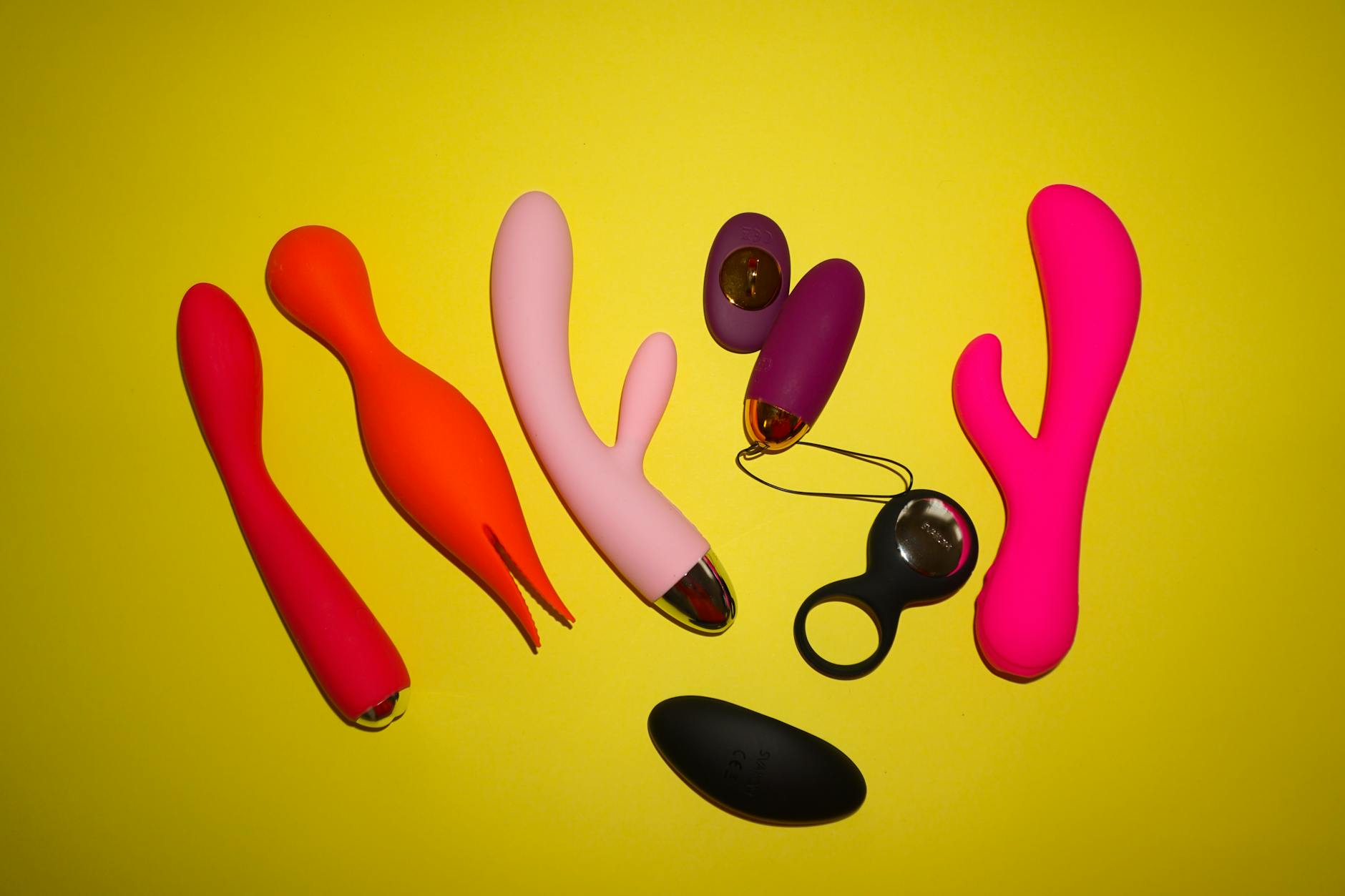
Let's talk about the thing nobody prepares you for
Introducing a lemon vibrator or any clitoral vibrator to partnered sex for the first time feels monumental. Here's the secret: it doesn't have to be. What makes it awkward is silence and assumption. What makes it work is conversation that happens before you're already in bed.
I've worked with hundreds of couples navigating this exact moment, and the ones who make it feel natural are the ones who strip away the mystery first.
Why this moment matters more than you think
Bringing a toy into partnered sex isn't about what your body can't do. It's about what your body wants that it hasn't had permission to ask for. When you introduce a lemon clitoral vibrator together, you're saying something important: my pleasure matters, and I trust you enough to let you see what that looks like.
That's intimate in a way that has nothing to do with the device itself.
For the receiving partner, this moment is equally loaded. Some people feel protective of their role. Some worry they're suddenly not enough. Some feel relief that their partner is finally getting what they need. All of these feelings are real and they all need air before you're unclothing.
The conversation that changes everything
Here's what I recommend saying. Not these exact words, but this shape.
"I've been thinking about trying something new. I want to explore what my body responds to when we're together. I thought about doing this alone, but I actually want to try it with you because I trust you and I want you to be part of this." Then give them space to react.
What you're doing there is three things at once: you're explaining your intent (exploration, not dissatisfaction), you're inviting them in (partnership, not replacement), and you're naming the trust you have in them (which is what actually matters).
Their response might be "Yes, absolutely" or "Can we talk about this?" or "I need time to think." All of those are fine. What's not fine is surprising them during sex. That breaks trust instantly.
The logistics part nobody talks about
Let's say they're in. Here's what actually changes about the mechanics.
Positioning. If you're used to missionary or most common partnered positions, adding a lemon vibrator means you need to adjust slightly. You or your partner will be holding it. This changes where hands go and what kind of rhythm works. I recommend starting with positions where you're on your back or they're entering from behind and slightly to the side, so there's clear access to your clitoris without the vibrator pressing into them awkwardly.
If you're the one holding the vibrator, you have more control. You can pause it, adjust the intensity, and use it exactly as you need. If they're holding it, that's more about surrender and receiving, which builds a different kind of trust. Try both. You'll learn what you prefer.
Speed and stimulation. Many people assume you use the vibrator at full intensity throughout sex. You don't. Most of the time, I recommend starting at a lower pattern (the Lem offers several) and increasing gradually. You're building arousal together, not jumping straight to climax. Think of it like foreplay escalation, just with a different tool.
Some couples use the vibrator to bring the receiving partner close to orgasm, then pause it during penetration, then bring it back. This creates natural rhythm changes and keeps both partners engaged and responsive to each other.
What to expect emotionally
Here's what usually happens the first time: it feels weird for about ninety seconds. Then it doesn't.
The weirdness is normal. You're doing something new. Your brain is noticing everything. You might feel self-conscious. Your partner might feel unsure about where they fit in. That all dissolves the moment pleasure starts building because pleasure is louder than self-consciousness.
What I've seen derail couples isn't the vibrator itself. It's one person checking out emotionally. If you're receiving and you go silent, your partner won't know if you're enjoying it or tolerating it. If you're giving and you're not engaged, the receiving partner feels it immediately. Stay present. Make noise. Keep eye contact. Ask for what you want.
This is still partnered sex. The vibrator is just the new language you're both learning.
Common hiccups and how to skip them
"It's too intense." You have four buttons. Use them. Start low. Build up. This isn't about proving anything.
"I feel like I'm not doing anything." You're holding space. You're witnessing. You're present. Those are doing something. And you can still engage your body, your hands, your mouth. A vibrator doesn't replace penetration or touch. It adds to it.
"It killed the mood." Sometimes the first time is awkward. That's okay. You're learning. Try again when you're both rested and not in your head. Some couples find it helps to use the vibrator earlier in partnered play, when things are lighter, rather than waiting until you're deep in the moment.
"I expected to orgasm immediately and I didn't." Your body still needs everything else it needed before. A lemon clitoral vibrator isn't a magic button. It's a tool that works when combined with arousal, comfort, trust, and your own attention to what feels good. Sometimes you'll climax faster. Sometimes it just feels different and that's enough.
Making it feel natural going forward
Once you've done it once, it becomes part of your repertoire. The second time is easier than the first. By the fourth or fifth time, you're not thinking about it anymore. It's just something you do together sometimes.
What keeps it from becoming routine is variation. Some nights you're the one directing it. Some nights your partner takes the lead. Some nights you use it at the start. Some nights it's the finale. Some nights you're curious about different settings you haven't tried yet. This ongoing exploration is where the real pleasure lives.
If you're with a partner who's hesitant, I've written about how to use a lemon vibrator with a partner who isn't sure about toys. That's a different conversation with different timing.
For couples who want to deepen intimacy after a period of disconnect, adding a new element of pleasure together can be surprisingly powerful. If that's your situation, check out how to use a lemon vibrator when rebuilding intimacy after relationship conflict.
The thing that actually matters
A lemon clitoral vibrator isn't about fixing anything. You don't need it because something's wrong. You might try it because something could feel better. Or because you're curious. Or because you want to give your partner a glimpse into what your body actually needs to reach climax.
All of those are good reasons.
What matters is that you're making space for your own pleasure and inviting your partner in. That act of consent, communication, and vulnerability is the real intimacy. The vibrator is just the vehicle.
People also ask
How do I bring up using a vibrator with my partner without making them feel inadequate?
Frame it as exploration, not criticism. "My body responds to clitoral stimulation in a certain way, and I want to experience that with you" is different from "I need this because you're not giving me enough." The first is about discovery. The second is a complaint. Also, do this outside the bedroom. A conversation that happens at the dinner table feels safer than one that happens naked.
What position works best for using a lemon vibrator during partnered sex?
Positions where you or your partner has clear access to your clitoris work best. That's usually any position where you're on your back, or entry from behind with your partner slightly to the side. Sitting positions also work well because you have great control. The position matters less than having agreement about who's holding the vibrator and whether there's enough space for it to work without discomfort.
Can using a vibrator together actually improve our connection?
Yes, if communication is there. The act of talking about what you want, watching your partner help bring you pleasure, and staying emotionally present together often creates more intimacy than the physical sensation of the vibrator itself. That vulnerability and attention is bonding. The vibrator is just the honest conversation you're having with your bodies.
What if my partner wants to use it on me but I feel embarrassed?
Embarrassment usually comes from never having been watched while experiencing pleasure. The first time is always the strangest. After that, being seen becomes normal and even sexy because you're with someone who clearly wants to witness your pleasure. Start small. Let them watch for a moment. Ask for more only when you're ready. This is about your comfort, not their expectations.
Should we try it alone first or together the first time?
Trying it alone first gives you information about what settings and positions feel good, which actually makes the partnered version easier. You know what you like when you arrive at that conversation. But some couples prefer discovering it together. Both work. What matters is that both partners know what's happening and have agreed to it.
How do I know if my partner is actually enjoying watching and participating?
You ask. "Do you like this?" "How does this feel for you?" "What would you want to try differently?" Communication during sex feels awkward if you've never done it, but it's the difference between guessing and knowing. Most people love being asked directly because it means their partner cares about their experience too.
Keep exploring
First-time partnered play with a lemon vibrator is a moment that many couples mark as a turning point. Not because the vibrator is magic, but because you're finally speaking plainly about what your body wants and inviting someone you trust to listen.
If you're ready to deepen that conversation in your partnership, reach out to Get Lemon Vibrator and we can point you toward resources that match your specific situation. Your pleasure matters. Your communication matters. Both together matter most.