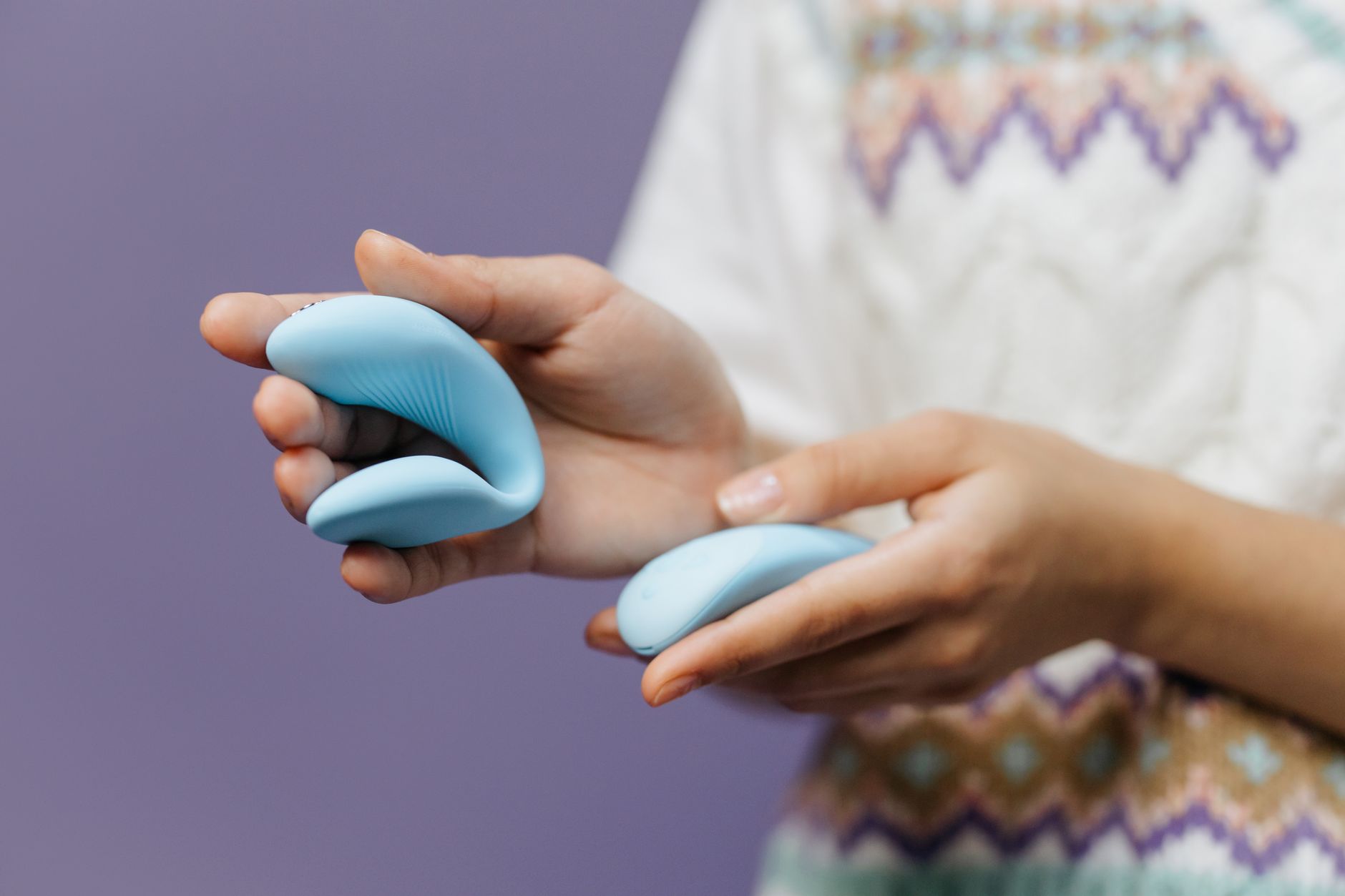
Let's talk about what actually changes
Your body after forty isn't broken. It's operating under different rules. The clitoris itself remains rich with nerve endings, but the tissue surrounding it thins slightly due to declining estrogen. Blood flow patterns shift. Arousal takes a different route to build. For a lot of people, this is when a lemon vibrator stops being a nice toy and becomes genuinely essential.
This isn't a tragedy dressed up as biology. It's an opportunity to learn your body differently.
Why sensation shifts after midlife
Three concrete changes happen in the tissues around your clitoris after forty.
Tissue thinning. Estrogen maintains elasticity and thickness in vulvar tissue. When levels decline (whether from natural aging, perimenopause, or past hormonal changes), the skin over and around the clitoris gets thinner. This means direct pressure can feel too intense or irritating, but suction feels incredible. A lemon vibrator's suction-based design works with this change, not against it.
Blood flow remodeling. Arousal used to be faster because blood vessels were more responsive. Now it takes longer to engorge the clitoris and surrounding tissue. That 5-minute warm-up that worked at thirty needs to become 15-20 minutes at forty-five. Your body isn't slower. It's more discerning.
Nerve recalibration. The neural pathways for pleasure don't disappear, but they do require different stimulus. You might notice that the patterns you loved at thirty now feel repetitive or numb. That's not numbness. That's your nervous system asking for something different.
Why lemon vibrators shine after forty
A lemon clitoral vibrator is a suction-based toy, which means it creates gentle, rhythmic pressure rather than direct vibration. After forty, this distinction matters.
Direct vibration can feel sharp or exhausting on thinner tissue. Suction engorges and stimulates the entire clitoral complex, not just the surface. This is why so many people report that they experience stronger, longer-lasting orgasms with a lemon vibrator after forty than they ever did with traditional vibrators in their thirties.
The sensation also doesn't numb as quickly. Because suction works through tissue engagement rather than surface friction, you're activating different nerve clusters. You can use it longer without that dead-zone feeling that makes you want to stop.
How to adjust your technique
Start lower. If you're switching from a traditional vibrator, begin on pattern 1 or 2 on the Lem. Your tissue is more sensitive to intensity now, which is actually good news. Lower settings often feel more satisfying because they engage your whole body instead of just numbing the surface.
Extend your warm-up. Spend 15-20 minutes on foreplay or external stimulation before bringing the lemon vibrator into the picture. This isn't wasted time. It's giving your nervous system permission to build arousal slowly and deeply. Many people in their forties report that this longer approach produces the most intense orgasms of their lives.
Use lubrication every time. Not because your body is failing, but because thinner tissue benefits from the glide. Use a water-based lube. It won't damage silicone and creates the perfect surface for suction to work properly.
Angle matters more. After forty, direct vertical pressure sometimes feels uncomfortable. Try angling the lemon vibrator so it's making contact from the side or at a diagonal. Your clitoris didn't move, but your preferences did.
The mental shift that matters most
Here's what I see in my practice: women in their twenties and thirties often use toys quickly, checking off pleasure as one more task. Women after forty? They slow down. They pay attention. They notice what actually feels good instead of what's supposed to feel good.
If you're used to efficiency, this transition can feel frustrating. But it's actually the opposite. You're not losing capacity. You're gaining specificity. Your body is teaching you what it needs, and a lemon vibrator is an excellent listener.
Common concerns after forty
"It takes me longer to finish." Yes. That's not dysfunction. That's your body asking for engagement instead of friction. A lemon vibrator's suction creates that engagement. Many people actually reach orgasm faster with suction than they did with traditional vibrators, even though initial arousal takes longer to build. The difference is about quality, not speed.
"Sensation feels duller." This usually means you need longer warm-up time or lower intensity settings initially. Start at pattern 1, spend ten minutes there, then progress. You're not numb. You're learning a new sensitivity map.
"Orgasms feel different." They do. Often more internal, less clitoral-only. Many people describe post-forty orgasms as deeper or more full-body. That's not worse. That's a different kind of pleasure that many find more satisfying.
What you'll probably notice
After a few weeks of using a lemon vibrator with these adjustments, most people report that sensitivity actually increases. The regular gentle suction seems to wake up nerve endings rather than desensitize them. Orgasms often become easier to access and more intense than they were with previous toys.
You might also notice that you become more tuned into your arousal patterns. After forty, pleasure becomes less automatic and more intentional. That's not a loss. That's knowing exactly what you want and building it deliberately.
Check out our guide on why lemon suction vibrators work better after forty for deeper technical information on how suction-based stimulation compares to traditional vibration.
Partnered pleasure after forty
If you have a partner, this is a valuable conversation point. Instead of "my body changed," try "I've learned what actually feels incredible, and I want to show you." A lemon vibrator isn't a backup plan. It's a tool that lets your partner see exactly where your pleasure lives now. Many couples find that adding a clitoral vibrator at this stage actually deepens their connection because it removes the pressure to perform and creates space for real exploration.
If you're single, you're in an even better position to map your own pleasure without anyone else's timeline in the mix.
When to see someone
If you experience pain during arousal or penetration that wasn't there before, that's worth mentioning to a gynecologist. Genitourinary syndrome (thinning and dryness that affects pleasure) is real and highly treatable. Topical estrogen cream or vaginal moisturizers can make a tremendous difference, often in just a few weeks.
If your libido has completely flatlined and isn't bouncing back after a few weeks of intentional play, that might be worth exploring with a healthcare provider. Sometimes it's hormonal. Sometimes it's relational or stress-related. Either way, you deserve to feel like yourself again.
The practical next steps
Start this week. Choose a time when you have actual privacy and don't feel rushed. Spend longer on warm-up than you think you need. Try your lemon vibrator on a lower setting. Pay attention to what you actually feel, not what you think you should feel. After a week or two, you'll have a clear map of what works now.
Your pleasure didn't expire at forty. It evolved.
FAQ
Does using a lemon vibrator more often increase sensation?
Up to a point, yes. Regular use (3-5 times per week) actually seems to improve sensitivity over time because it keeps tissue healthy and blood flow active. But there's a recovery curve. If you use it daily, sensitivity sometimes dips midweek. Try 3-4 times per week and give yourself at least one full day off. That rhythm tends to keep sensation sharp without the plateau effect.
Can I use the same lemon vibrator settings at forty that I used at thirty?
Most people find they need to start lower. Your tissue sensitivity changed, and what felt perfect at thirty might feel too sharp now. But don't assume lower is permanent. Many people find that after a few minutes at a lower setting, they can progress to higher patterns without discomfort. Think of it as warming up rather than a permanent downgrade.
Is it normal to need more warm-up time after forty?
Completely normal. Arousal is slower to build because blood flow is slightly less aggressive. This isn't a problem. It's actually an advantage because it means you're paying attention to your own pleasure instead of rushing. Longer warm-up also tends to produce more intense orgasms, so it's a legitimate upgrade, not a limitation.
Does menopause change how a lemon vibrator feels?
Yes, but usually in a positive way. During perimenopause and menopause, hormone fluctuation can make sensation inconsistent week to week. A lemon clitoral vibrator's suction design tends to work better during this phase than traditional vibrators because it doesn't rely on tissue elasticity. You might need to adjust your lube or warm-up, but the sensation is usually more consistent and satisfying.
Can I use a lemon vibrator if I have vaginal dryness?
Absolutely. Use water-based lube generously. The combination of suction plus lubrication actually makes a lemon vibrator one of the best choices for this situation because the suction engorges tissue while the lube protects it. Don't skip the lube or you'll end up irritated. Always use it.
How long should I wait between sessions if I'm new to a lemon vibrator?
If you're just starting, give yourself 2-3 days between sessions for the first month. This gives your tissue time to adapt and helps you notice what's changing. After a month, when you understand your body's response, you can move to 3-5 times weekly if you want. Listen to your body. If you feel irritated or numb, add an extra rest day.
One more thing
After forty, you have permission to stop chasing the pleasure you had at thirty and start building the pleasure that actually exists now. Your body is different, yes. But in most cases, it's more capable of depth and intensity than it was before. A lemon vibrator is designed to work with those changes, not against them. Everything that felt impossible at thirty is probably easier now. You just needed the right tool and the right information.