Let's start with what's actually happening
Honestly, if your partner won't talk about sex, they're probably not avoiding the topic because they don't care. They're avoiding it because shame, fear of judgment, or past messages about bodies and pleasure have made the conversation feel unsafe. That's real. And it means the problem isn't about sex itself.
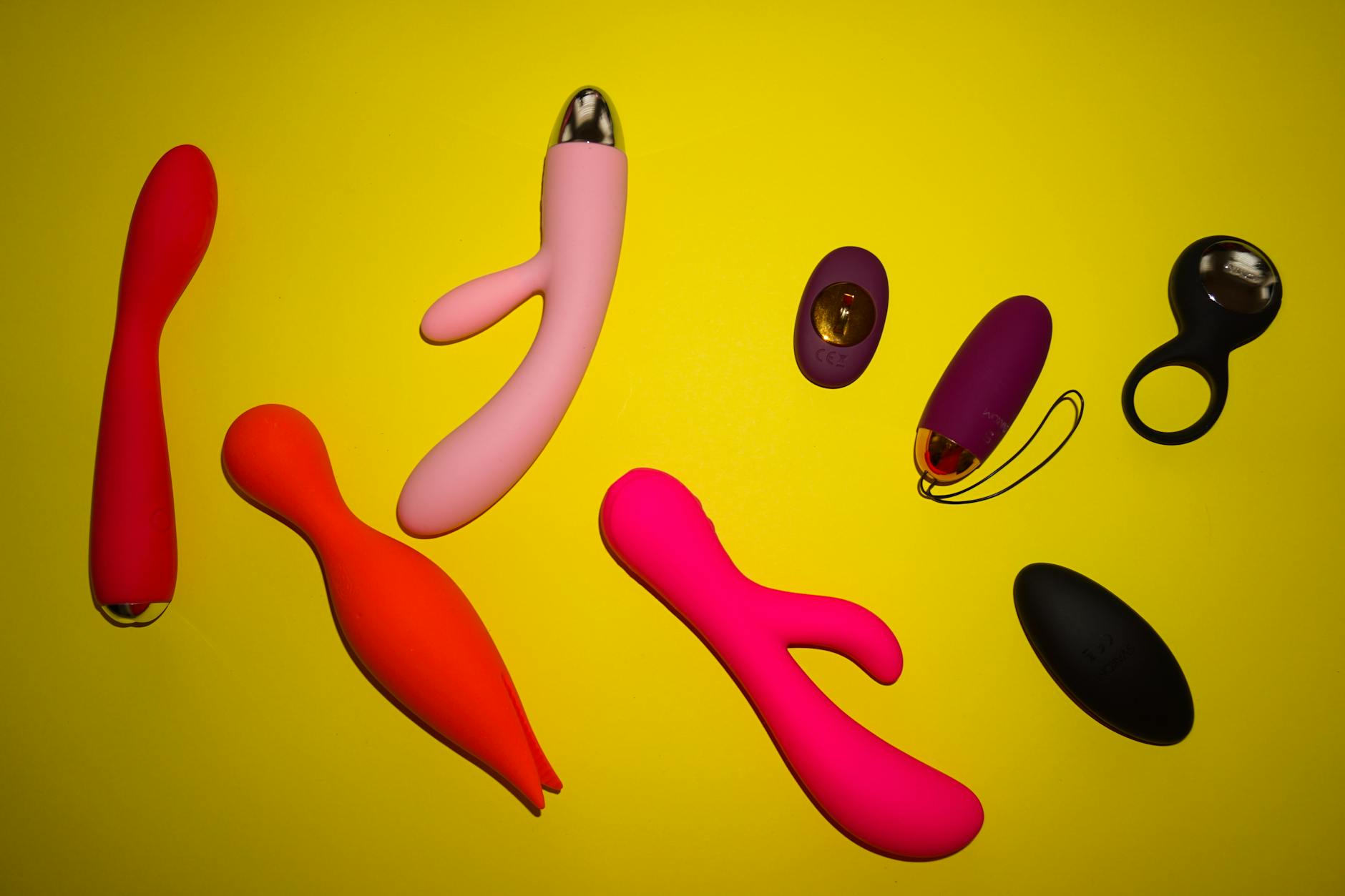
Introducing a lemon vibrator (or any clitoral vibrator) into a relationship where communication is already strained can feel like you're adding pressure to an already fragile dynamic. But handled right, it can actually be the opposite. A tool like the Lem can shift the conversation from abstract discomfort to something concrete, tactile, and focused on pleasure rather than performance.
Here's how to do that without triggering the exact defensiveness you're trying to avoid.
Why partners go silent about pleasure
Three things are usually in play:
1. Shame inheritance. Most people grew up hearing that good bodies don't talk about this stuff, or that desire is vaguely embarrassing. Even partners who seem confident in other areas often carry deep messages that sex and pleasure are private, risky, or something you do to your partner rather than with them.
2. Fear of being inadequate. If your partner believes they're supposed to know how to please you instinctively, introducing a toy feels like criticism. "You're not enough" is what they hear, even if that's not what you mean. That fear silences them faster than anything.
3. Power and vulnerability. Talking about what you actually want requires admitting you're not in control of the script. For partners who've learned that admitting need equals weakness, that's deeply uncomfortable.
None of this is rational or fair. But it's predictable, and predictability means you can plan around it.
The timing and framing that works
Don't introduce a vibrator during sex, immediately after, or during a sex conversation. The stakes feel too high. Instead, bring it up during a low-pressure moment: driving somewhere, washing dishes, sitting on the couch before bed.
Frame it around curiosity, not critique. "I've been reading about how people use clitoral vibrators, and I'm really curious what that would feel like" is different from "We need to talk about why our sex life isn't working." The first is about discovery. The second sounds like an accusation.
Use "I" statements anchored in pleasure, not his performance. "I think I'd enjoy this" or "I'm interested in exploring this" puts the focus on what you want to experience, not on what he's getting wrong. That distinction matters enormously.
The conversation script that usually works
Start small. You don't need to announce that you've ordered a lemon vibrator. You can say something like: "I've been curious about trying something new for my own pleasure. Not instead of anything we do together, just something I want to explore." Then pause. Let him respond.
If he's quiet, that's not rejection. That's processing. Give him space and move on. You don't need his permission to own your pleasure, but you do need to make it feel collaborative rather than secretive.
When he does engage (and he probably will, once the initial discomfort settles), keep it factual. "It's called a lemon vibrator. It uses suction instead of vibration, so it feels totally different from other toys." You're teaching him something he didn't know, which shifts the power dynamic. Knowledge is less threatening than mystery.
Using it solo first, then together
This matters more than people realize. When you use a clitoral vibrator like the Lem on your own, you learn what it does. You discover what patterns feel good, what intensity works for your body, what the experience is actually like. That knowledge makes you less apologetic when you introduce it to him.
Partners who are nervous about toys are usually nervous because they imagine it will replace them or humiliate them. Using it alone first lets you say: "This isn't about you at all. I wanted to understand my own pleasure better, and I'm interested in sharing that with you." That reframe is powerful.
When you do bring him into it, consider letting him watch first. Not in a performative way. Just: "I want to show you what I enjoy." That inverts the typical dynamic where partners are supposed to figure out female pleasure through guesswork. Instead, he gets to see exactly what makes you feel good. Most partners find that less threatening than toys, because it puts you in the teaching role.
What to do if he stays stuck
Sometimes, despite all the right framing and patience, a partner genuinely cannot engage with this conversation. Shame runs too deep. Or he's not equipped to separate pleasure from performance, and that's what's underneath.
If that's happening, you have two paths: therapy (couples or individual) or accepting that this part of the relationship will stay limited. Neither is simple. But continuing to self-suppress in hopes he'll eventually come around usually just builds resentment on both sides.
A therapist trained in sex and couples work can help him understand where the resistance comes from. Sometimes it's not even about the toy. It's about control, or early messages about masculinity, or fear of intimacy. A good therapist unpacks that. You can't fix his shame by being patient enough.
The conversation that shifts everything
Once he's less defensive, try asking him what he's actually afraid of. Not in an accusatory way. Genuinely curious. "When I mention toys, I notice you get quiet. What's coming up for you?" Many partners will tell you something true: "I feel like I'm not enough," or "I don't know how to talk about this," or "My parents never talked about sex." When he says the real thing, the conversation changes.
Then you get to respond with truth too: "You are enough. This isn't about replacing you. It's about expanding what we experience together." And if he can hear that, something shifts. The vibrator becomes an extension of intimacy, not a threat to it.
Small steps with the Lem itself
If he's willing to be in the room while you use a lemon vibrator, that's already progress. You don't need him doing anything. Just present. That presence alone can shift the experience into something shared.
Eventually, if it feels right, he might touch you while you're using it. Or hold it. Or just be inside the experience without performing. These small collaborations build comfort far better than the pressure of having to use it together from day one.
When communication improves, everything else does
Here's what I've seen in my practice: couples who learn to talk about pleasure, even awkwardly, report that the rest of their intimacy improves. Not because the toy fixed anything. But because being honest about desire is a skill. Once you practice it in this arena, it bleeds into other parts of the relationship.
Your partner avoiding sex talk probably affects more than just sex. It probably affects your ability to ask for what you need in general. Shifting that pattern takes time, but it's worth it.
FAQ: Talking About Vibrators With a Reluctant Partner
How do I bring it up without making him feel insecure?
Lead with curiosity about your own pleasure, not critique of his. "I want to explore this" lands differently than "We need to fix our sex life." Also, timing matters massively. Don't introduce toys during a sex conversation. Do it when you're both calm and neutral.
What if he thinks a vibrator means I don't find him attractive?
That's his fear talking, not fact. Address it directly: "This has nothing to do with how I feel about you. It's about exploring my own body." Then show him. Use the vibrator solo first, so you're not tangling it with partnered sex right away. Once he sees that you're exploring for yourself, not comparing him, the threat usually softens.
Should I ask permission to use a lemon vibrator?
No. Your body, your pleasure. You don't need permission. But you might want to give him a heads-up if you'll be using it when he's home, just to avoid awkwardness. The difference between transparency and asking permission is important. One respects your autonomy. The other frames your pleasure as his decision.
What if he refuses to ever discuss it or engage?
Then you're looking at a deeper communication issue that therapy could help with. Refusal to discuss sexuality isn't really about the toy. It's about vulnerability, and that pattern likely shows up in other parts of your relationship too. A couples therapist can help you both understand what's underneath.
Can I use a clitoral vibrator like the Lem even if my partner seems uncomfortable?
Absolutely. Your pleasure doesn't require his comfort. That said, if his discomfort is creating a hostile environment or shaming dynamic, that's a relationship problem worth addressing separately from the toy itself. The vibrator isn't the issue. The inability to discuss desire is.
How long does it take for a defensive partner to become open?
Depends entirely on what his fear is rooted in. Some partners shift in weeks once they understand it's not a rejection. Others need months or therapy. Don't rush it, but also don't accept indefinite avoidance. Set a timeline for yourself: "I'll give this six months, and then I might explore whether this relationship is meeting my needs." That clarity often helps partners move faster too.
The real thing about introducing a lemon vibrator into a relationship where sex talk is already strained is this: the vibrator isn't the hard part. The conversation is. But conversations get easier once you've had one. Once you've named the shame, acknowledged the fear, and kept showing up anyway. That's when a clitoral vibrator stops being a threat and starts being what it actually is: a tool for pleasure, owned by you, shared by choice. And that distinction changes everything.