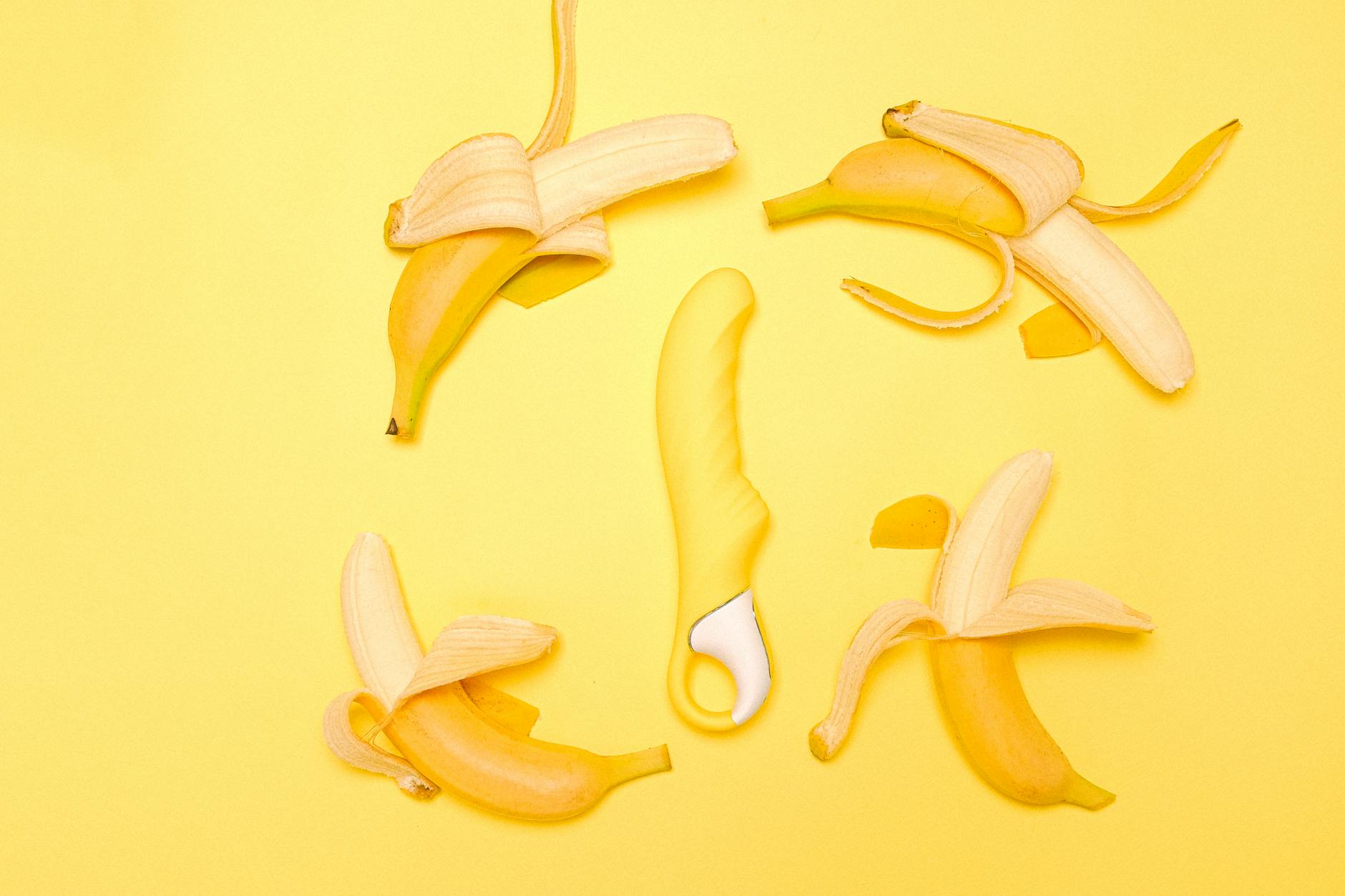
Here's the thing about vibrator intensity
Not every setting is right for every body, and that's completely normal. The fact that a lemon vibrator has multiple patterns doesn't mean you need to use them all. In fact, most people find their sweet spot within the first two or three settings and stay there. That's not boring. That's smart.
The tricky part is that clitoral sensitivity isn't fixed. It shifts with your cycle, your stress level, your medication, how aroused you are, and honestly, how much sleep you got last night. So what feels perfect on Tuesday might feel overwhelming on Friday. Understanding why that happens and how to adapt your lemon clitoral vibrator settings accordingly is the difference between good experiences and really good ones.
I've worked with clients for years on pleasure preferences, and the number one mistake I see is people assuming they're broken because they can't handle the intensity their partner enjoys, or because a pattern that worked last month suddenly feels too much. You're not broken. Your body is just communicating what it needs.
Why clitoral sensitivity changes
The clitoris has roughly 8,000 nerve endings packed into a tiny space. That density means it picks up on everything. Hormonal fluctuations, stress levels, and even emotional connection affect how those nerves respond to stimulation. Here are the main things that shift your sensitivity.
During the follicular phase of your cycle (right after your period), estrogen is rising, and your clitoris is typically more sensitive. This is actually when many people prefer lower intensities and prefer longer warm-up time. As you move toward ovulation, sensitivity often decreases slightly and arousal builds faster. In the luteal phase, sensitivity spikes again, and you might want patterns you'd normally find too much.
Stress and sleep directly affect nerve sensitivity. A good night's sleep makes stimulation feel sharper and more pleasurable. Sleep deprivation dulls sensation. Stress does the same thing. If you've had a brutal week, you might crave intensity just to feel something at all. That's not a character flaw. That's your nervous system asking for more input to reach the same sensation threshold.
Medications also matter. Antidepressants, birth control, blood pressure meds, and antihistamines can all shift how you experience touch. If your sensitivity changed after starting something new, talk to your doctor. It's worth noting, and it's not permanent.
Arousal level is the big one people forget. When you're not very turned on, even a gentle pattern can feel irritating. When you're deeply aroused, intensity that would normally be overwhelming feels perfect. This is why warming up matters more than people think.
The lemon vibrator intensity spectrum
Most lemon clitoral vibrators offer 7 to 10 settings, ranging from a soft, rolling sensation to a sharp, rapid pulse. Understanding the shape of those settings helps you navigate them without frustration.
Patterns 1 through 3 are usually the softest. These tend to have a rolling or wave-like quality rather than a sharp vibration. They're ideal for warm-up, for days when you're less sensitive, for partners who are new to toys, and for people who find clitoral stimulation intense by nature. If you have vulvodynia, a history of pain during sex, or just naturally high sensitivity, this range is often your home base.
Patterns 4 through 6 sit in the middle. These have a faster pulse, more rhythm variation, and noticeably more intensity. Most people find their preferred setting somewhere in this band, especially once they're properly aroused. This is the "sweet spot" zone for a lot of my clients.
Patterns 7 and above are high intensity. These are fast, powerful, and less forgiving. They work beautifully for some people, especially those who need more direct stimulation to reach orgasm. But they're not the goal. If higher intensities feel better, that's fine. If they feel like static, that's also fine.
Many lemon sexual toys also have pulse and escalation modes alongside steady vibrations. A pulse pattern delivers intensity in bursts rather than continuously, which can feel less overwhelming while still being powerful. Escalation modes gradually increase in intensity, which can help you build sensation without jumping to a level that's too much.
How to find your baseline setting
Start by setting aside time when you're not rushed, not stressed, and genuinely interested in pleasure. You're not testing yourself. You're gathering data.
Begin fully clothed and just hold your lemon vibrator on the lowest setting against different areas. Notice what the sensation feels like on your inner thigh, your lower belly, the side of your neck. Many people are surprised to find that the vibration on non-genital areas feels totally different than they expected. This is useful information.
Then move to your vulva with clothes on still. Feel the pattern against your outer labia, your pubic mound, just the external areas. You're building an internal map of how each setting travels across your body.
When you're ready for direct clitoral contact, start with the lowest setting and spend at least two to three minutes there before moving up. Notice how your body responds. Does it feel soothing? Irritating? Interesting but not quite enough? Most people need to stay in this exploration phase for a few sessions before they even know what they're looking for.
If a setting feels too much, don't push through it. Go back down or stop. Your clitoris will tell you when you've found the right zone. It won't feel like you're fighting a machine. It will feel like the toy is doing something your body wants.
Write down what worked, what didn't, and how you felt going in. Over time, you'll notice patterns. "I always prefer pattern 2 when I'm stressed" or "After my period, pattern 5 is perfect." That information is gold.
When your preferred setting changes
Don't panic if what worked last month suddenly feels wrong. This is completely normal and happens to almost everyone at some point.
First, check the obvious things. Are you taking new medication? Are you more stressed than usual? Did your cycle change? Are you under-lubricated? (Dryness makes everything feel more intense.) Is the toy fully charged? (A partially charged lemon vibrator sometimes has weird pattern behavior.)
If those things check out, your sensitivity genuinely just shifted. This happens. You might need a lower setting for a few weeks, then drift back up. You might discover you prefer a pattern you used to hate. That's not failure. That's your body giving you new information.
Some of my clients find that their sensitivity settles into a new baseline after a month or two. Others find they're always adjusting. Both are fine. The key is staying curious instead of frustrated.
The partner conversation
If you're sharing a lemon sexual toy with a partner, sensitivity differences are guaranteed. Your partner might love pattern 7 while you tap out at pattern 4. This isn't a compatibility problem. It's just information.
Talk about it explicitly. "I prefer pattern 3" is way better than making each other guess. And make it clear that preferences shift. You might enjoy different intensities depending on the day, your arousal level, or what kind of experience you're after.
Some couples find it helpful to take turns choosing the pattern. Some prefer to each have their own toy because sensitivity is so personal. There's no rule. Just communication.
What to do if nothing feels right
If you've tried multiple settings across several sessions and nothing feels good, a few things might be happening.
You might need more lubrication than you think. The clitoris is incredibly sensitive to friction, and without enough slip, even a gentle pattern can feel uncomfortable. Try a water-based lube and see if that shifts things.
You might need more warm-up time. Spend 10 to 15 minutes on foreplay, manual stimulation, or just lying together before introducing the toy. Arousal changes everything.
You might have clitoral pain or numbness that isn't related to the toy. Vulvodynia, neuropathy, and other conditions can make standard vibration feel wrong. If this is consistent across settings and situations, talking to a gynecologist or pelvic floor therapist is worth it. These things are treatable.
Or you might just discover that lemon clitoral vibrators aren't your thing, and that's okay too. Some people prefer wand vibrators, some prefer manual touch, some prefer nothing at all. Your pleasure matters. The right tool is the one that works for your body.
FAQ: Lemon Vibrator Settings and Sensitivity
What if I can only enjoy pattern 1 or 2?
That's your baseline, and there's nothing wrong with it. Intensity is not a progress metric. Some bodies are genuinely more sensitive, and they have more pleasure potential at lower intensities, not less. Own your preference.
Can I damage my clitoris by using high-intensity settings too much?
The clitoris is resilient. That said, if you're using pattern 8 or 9 for 20 minutes daily and experiencing numbness, you might be over-stimulating. Take breaks. Vary your patterns. Listen to your body. Occasional numbness after intense play is normal. Persistent numbness that doesn't resolve with rest is worth mentioning to a doctor.
Does using a lemon vibrator make it harder to orgasm with a partner?
No. Your nervous system doesn't get "used to" vibration in a way that ruins manual touch. Different sensations hit different nerves. You can absolutely enjoy both. If orgasm with a partner feels harder, it's usually emotional (stress, distraction, pressure) rather than physical.
Why does my toy feel less intense than it used to?
First, check if it needs a full charge. A toy at 50% battery can feel noticeably weaker. If that's not it, your clitoral sensitivity genuinely might be lower right now due to cycle, stress, or medication. Or you might just be bored with that specific pattern. Try one you haven't used in a while.
Is it normal to prefer different settings with different partners?
Completely. Psychological arousal, comfort level, and intimacy all affect how intense you want sensation to be. You might prefer lower intensity with someone new and higher intensity with a long-term partner. You might want gentle patterns during romantic sex and intense ones during quickies. All normal.
How do I know if a pattern is too intense or if I just need to warm up more?
Give it five minutes of warm-up with lower intensity first. If a pattern feels unpleasant in a sharp, painful, or overwhelming way even after arousal builds, it's too intense. If it feels a little strong but good, stay with it. Your body should feel engaged, not defensive.
The bottom line
Your perfect lemon vibrator setting is the one that feels good to you right now, on this day, in this moment. Not the highest number. Not the most complicated pattern. Not what works for anyone else. Pleasure is personal, and that's the whole point. Learn your body's language, stay curious about how it changes, and give yourself permission to adjust as needed. That's not compromise. That's mastery.